
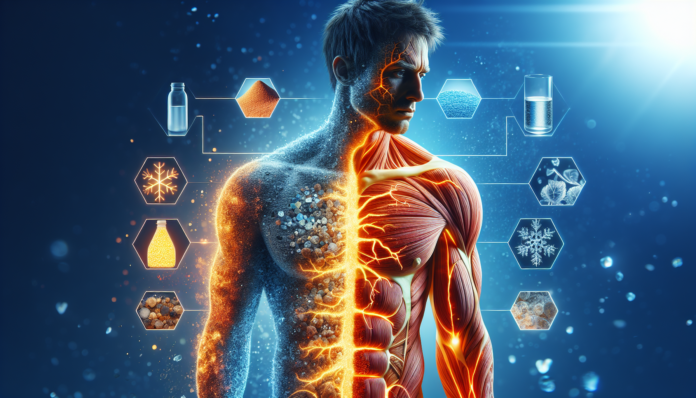
Why Mineral Depletion Leads to Dehydration Symptoms
Dehydration is often associated with not drinking enough fluids, but it can also be due to mineral depletion. Essential minerals play a critical role in maintaining our body’s hydration levels. This article explores how mineral depletion leads to dehydration symptoms, the vital minerals involved, and how to ensure you maintain a healthy balance.
Understanding Mineral Depletion
Mineral depletion occurs when essential minerals in the body drop below optimal levels. Common causes include:
- Poor dietary choices
- Stress
- Certain medical conditions
- Excessive sweating
When minerals are low, the body struggles to maintain hydration, resulting in several discomforting symptoms.
Key Minerals Affecting Hydration
Potassium
Potassium is a key player in fluid regulation. It helps your cells retain fluid and maintain optimal hydration levels. When potassium levels deplete, you might experience:
- Muscle cramps
- Fatigue
- Increased thirst
To boost potassium intake, consider incorporating these foods into your diet:
- Bananas
- Spinach
- Sweet potatoes
Sodium
Sodium plays a crucial role in fluid balance as well. While too much sodium can lead to health issues, not enough can have the opposite effect. Sodium deficiency can cause dehydration symptoms such as:
- Dizziness
- Nausea
- Confusion
Maintaining an appropriate sodium level helps retain water in the body. Foods high in sodium include:
- Table salt
- Olives
- Pickles
Magnesium
Magnesium supports numerous bodily functions, including hydration. It helps regulate electrolyte balance and ensures that cells function correctly. Symptoms of magnesium deficiency include:
- Muscle spasms
- Numbness
- Increased thirst
To increase magnesium in your diet, try:
- Nuts and seeds
- Whole grains
- Dark leafy greens
The Connection Between Mineral Depletion and Dehydration
When the body lacks essential minerals, it may struggle to retain fluids. This leads to symptoms of dehydration even if fluid intake appears adequate. Here’s how the connection works:
-
Electrolyte Imbalance: Depleted minerals result in an imbalance of electrolytes. This imbalance disrupts the body’s ability to regulate fluid levels.
-
Hormonal Responses: Dehydration triggers hormonal responses that make the body hold on to fluids. Without minerals, these processes can falter, leading to further dehydration.
-
Increased Thirst: A common symptom of mineral depletion is increased thirst. When your body lacks these essential minerals, it sends signals to drink more fluids, but hydration cannot be achieved without adequate minerals.
Maintaining Mineral Levels
1. Balanced Diet
Incorporating a variety of foods rich in essential minerals is crucial. Here’s a simple guideline:
- Fruits and Vegetables: Aim for colorful options like oranges, berries, spinach, and carrots.
- Whole Grains: Foods like brown rice, quinoa, and oatmeal are excellent choices.
- Lean Proteins: Include fish, poultry, beans, and legumes in your meals.
2. Stay Hydrated
Drinking enough water is essential, but consider infusing your fluids with minerals. Electrolyte drinks can help replenish essential minerals, especially after rigorous exercise.
3. Monitor Your Health
If you suspect mineral depletion might be an issue, consult with a healthcare professional. Routine blood tests can help identify deficiencies and guide you towards suitable dietary changes or supplements.
Conclusion
Mineral depletion significantly affects hydration and can lead to various discomforting symptoms. Understanding the connection between essential minerals and hydration can help you make informed choices for your health. By consuming a balanced diet rich in potassium, sodium, magnesium, and other minerals, you can maintain good hydration and avoid the adverse effects of mineral depletion. Taking proactive steps towards your nutritional needs can pave the way for a healthier, more hydrated life.