
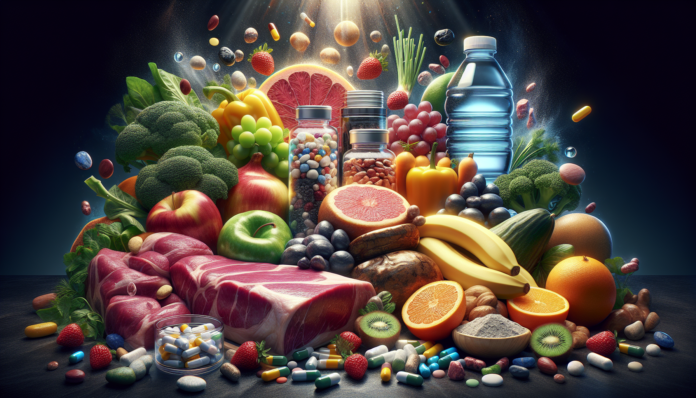
Why Hydration Supplements Cannot Replace Mineral-Rich Foods
In today’s health-conscious society, many individuals focus on maximizing their hydration levels. To achieve this, some turn to hydration supplements, believing they work as effective stand-ins for mineral-rich foods. However, there’s a fundamental distinction between these two sources of nutrients. This article explores why hydration supplements cannot replace the diverse advantages offered by mineral-rich foods.
Understanding Hydration Supplements
Hydration supplements are products designed to replenish fluids and electrolytes. They often come in powders, tablets, or ready-to-drink formulations. These supplements typically include essential minerals like sodium, potassium, and magnesium—all vital for bodily functions.
The Role of Minerals
Minerals play several critical roles in the body, including:
- Maintaining Fluid Balance: Minerals help regulate osmosis, keeping our body hydrated.
- Supporting Muscle Function: Electrolytes are crucial for muscle contractions and preventing cramps.
- Aiding in Nerve Transmission: Minerals facilitate effective communication between nerves and muscles.
While hydration supplements can boost your mineral intake quickly, they lack the broad spectrum of nutrients that whole foods provide.
Why Whole Foods Are Essential
Comprehensive Nutrient Profile
Mineral-rich foods, such as fruits, vegetables, nuts, and seeds, offer a variety of nutrients that go beyond vitamins and minerals. They contain:
- Fibers: Essential for digestive health and overall wellness.
- Antioxidants: Protect your cells from oxidative stress.
- Phytochemicals: Plant compounds that support health in various ways.
These components work together synergistically, enhancing absorbability and benefits.
Bioavailability
The body absorbs nutrients from whole foods more effectively than from supplements. Whole foods provide a natural environment for nutrients, which enhances their bioavailability. In contrast, hydration supplements often contain isolated nutrients that may not be as easily absorbed.
The Risks of Relying on Hydration Supplements
While hydration supplements can be effective in specific scenarios, relying solely on them comes with risks:
- Overconsumption of Certain Minerals: Some people might consume large amounts of hydration supplements, leading to mineral imbalances or toxicity.
- Missing Out on Other Nutrients: A diet rich in whole foods provides a range of nutrients that support overall health. Relying on supplements can lead to deficiencies.
- Less Satisfying: Whole foods contain fibers and other bulk that aid in satiety, potentially reducing overeating and promoting weight management.
Ideal Timing for Hydration Supplements
There are instances when hydration supplements can be helpful:
- During Intense Exercise: If you’re engaging in long-lasting activities, such as marathons, supplements can help replenish lost electrolytes.
- In Hot Climates: Extra hydration can be necessary during extreme heat, where you may lose more minerals through sweat.
- After Illness: If you’ve experienced vomiting or diarrhea, hydrating supplements can aid quicker recovery.
Choosing the Right Foods for Hydration
To maintain optimal hydration and overall health, focus on incorporating mineral-rich foods into your diet. Here are some excellent choices:
Hydrating Fruits and Vegetables
- Watermelon: Contains about 92% water and provides potassium and magnesium.
- Cucumbers: High water content and low in calories.
- Oranges: Rich in vitamin C and hydrating electrolytes.
Nutrient-Dense Snacks
- Almonds: A good source of magnesium and healthy fats.
- Yogurt: Excellent for gut health; also provides calcium and potassium.
- Spinach: High in iron and fiber, supporting various bodily functions.
Conclusion: The Balance of Nutrition
In conclusion, while hydration supplements can support your fluid intake, they should never replace the countless benefits of mineral-rich foods. Whole foods deliver a spectrum of nutrients that hydration supplements simply cannot replicate. A balanced diet, focusing on fruits, vegetables, whole grains, and lean proteins, ensures optimal hydration and overall health. By prioritizing whole foods, you promote not only hydration but also wellness that supplements alone cannot provide. Embrace a varied diet to harness the full benefits of nutrition.