
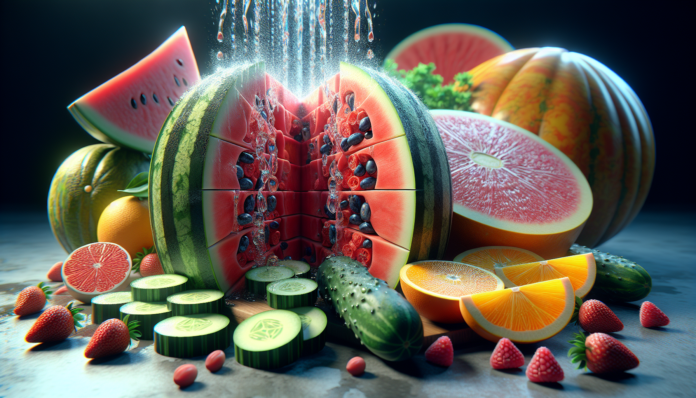
Why Hydration is Built into Natural Foods
In our daily lives, we often hear about the importance of hydration. While drinking water is essential, many may not realize that hydration is inherently built into many natural foods. This article explores why understanding this natural phenomenon can enhance our health and well-being.
The Role of Water in Our Body
Water makes up a significant portion of our bodies, accounting for about 60%. It plays a crucial role in various bodily functions, including:
- Regulating body temperature
- Lubricating joints
- Protecting organs and tissues
- Aiding in the digestion of food
Keeping hydrated is vital for overall health, and one of the best ways to achieve this is through the foods we eat.
Natural Foods and Their Water Content
Fruits: Nature’s Hydrating Powerhouses
Fruits like watermelon, oranges, and strawberries are excellent examples of natural foods that contain high water content.
- Watermelon: Composed of about 92% water, it’s not only refreshing but also packed with vitamins A and C.
- Strawberries: With approximately 91% water, they deliver antioxidants and dietary fiber.
- Oranges: Around 86% water, they are rich in vitamin C and hydrating properties.
These fruits provide the hydration needed without the extra calories found in many beverages.
Vegetables: A Hydration Boost
Vegetables also play a significant role in keeping us hydrated. Many vegetables are not only nutritious but also contain high levels of water.
- Cucumbers: Comprising about 95% water, they are ideal for hydration and low in calories.
- Lettuce: With around 95% water, lettuce can be a key ingredient in salads that contribute to hydration.
- Zucchini: About 94% water, zucchini is versatile and can be used in a variety of dishes.
Including these vegetables in your meals can greatly increase your water intake.
Whole Grains: Surprising Hydration Sources
While grains may not have as much water content as fruits and vegetables, foods like oats and quinoa can contribute to hydration.
- Oats: When cooked, oats absorb water, making them a filling and hydrating breakfast option.
- Quinoa: This grain absorbs water during cooking, further enhancing its hydrating properties.
Integrating whole grains into your diet ensures not only nourishment but also hydration.
Benefits of Consuming Hydrating Foods
Focusing on hydrating foods brings several health benefits:
Improved Digestion
Foods rich in water content aid in the digestion process. Fiber-rich fruits and vegetables help maintain digestive health while providing the hydration our body needs.
Enhanced Skin Health
Proper hydration is essential for maintaining skin elasticity and moisture. Eating water-rich foods can lead to healthier, glowing skin.
Weight Management
Choosing natural hydrating foods can assist with weight management. They often provide fewer calories while delivering essential nutrients, helping you feel full without overeating.
Tips for Incorporating Hydrating Foods
To maximize the benefits of hydrating foods, consider the following tips:
- Keep Fresh Fruits and Vegetables on Hand: Having them readily available encourages healthier snacking.
- Blend Smoothies: Create refreshing smoothies using water-rich fruits and leafy greens.
- Make Salads: Combine various hydrating vegetables for a fulfilling meal.
- Experiment with Cooking: Add watery vegetables to soups and stews to enhance hydration.
Hydration and Seasonal Eating
Seasonal eating can play a significant role in maintaining hydration. During warmer months, focus on juicy fruits like peaches and berries. In cooler months, consider hydrating soups made with seasonal vegetables.
Local and Fresh Choices
Choosing locally sourced, fresh foods not only supports local agriculture but also offers hydration benefits. Seasonal fruits and vegetables are usually more nutrient-dense and retain higher water content.
Conclusion: Embrace the Hydration in Natural Foods
Understanding that hydration is built into natural foods can significantly influence your dietary choices. By incorporating fruits, vegetables, and whole grains into your meals, you can enhance your hydration and overall health. Remember, eating water-rich foods isn’t just about quenching thirst; it’s a holistic approach to nourishing your body.
Make hydration a cornerstone of your health by enjoying the abundance of natural foods available to you. Let foods be your ally in maintaining optimal health and hydration for a vibrant life.