
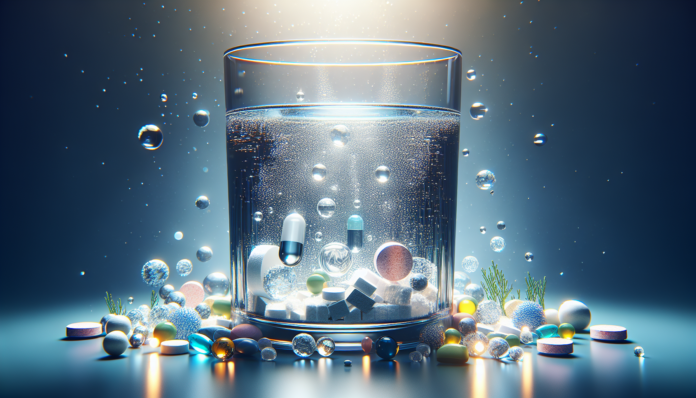
Why Hydration Depends on Mineral Balance
Maintaining proper hydration is essential for overall health, yet many people overlook the crucial role that mineral balance plays in this process. Hydration goes beyond simply drinking water; it involves a complex interaction between various minerals and electrolytes in the body. Understanding how these elements work together can help you improve your hydration levels and enhance your well-being.
The Importance of Hydration
Hydration is vital for several bodily functions, including:
- Regulating body temperature
- Transporting nutrients
- Removing waste
- Supporting cellular functions
Without proper hydration, you may experience symptoms such as fatigue, headaches, and decreased cognitive function. It’s essential to recognize that hydration levels are influenced by a variety of factors, including mineral balance.
How Minerals Impact Hydration
The Role of Electrolytes
Electrolytes are minerals that carry an electric charge and are crucial for hydration. Some of the key electrolytes include:
- Sodium
- Potassium
- Calcium
- Magnesium
These minerals help maintain fluid balance in and out of cells, which is vital for optimal hydration. When electrolyte levels are balanced, the body retains the right amount of fluids. However, an imbalance can lead to dehydration or water retention.
Sodium: The Key Player
Sodium plays a significant role in regulating blood pressure and fluid balance. When you consume too much sodium, it can lead to water retention. Conversely, insufficient sodium can cause the body to lose fluids rapidly. It’s essential to find a balance to maintain optimal hydration.
Potassium: A Hydration Ally
Potassium works closely with sodium to control fluid levels in the body. It helps move fluids in and out of cells. A diet rich in potassium—found in fruits and vegetables—can help keep your hydration levels stable.
The Impact of Diet on Mineral Balance
Your diet greatly influences your mineral intake and, consequently, your hydration status. Here are some dietary components to consider:
Foods High in Electrolytes
Including certain foods in your diet can enhance your mineral balance and hydration:
- Bananas: High in potassium.
- Spinach: An excellent source of magnesium and potassium.
- Sweet potatoes: Rich in potassium and fiber.
- Nuts and seeds: Provide magnesium and other vital minerals.
Hydration Beyond Water
While water is essential, consuming foods that contain high water content can significantly contribute to hydration. Water-rich foods include:
- Cucumbers
- Watermelons
- Oranges
- Lettuce
These foods help maintain fluid balance and provide essential vitamins and minerals.
Signs of Dehydration Related to Mineral Imbalance
Being aware of the symptoms of dehydration can help you take action early. Common signs include:
- Dry mouth and throat
- Dizziness
- Fatigue
- Dark yellow urine
If you experience any of these symptoms, it may indicate not only a lack of water but also an imbalance in your mineral levels.
Maintaining Mineral Balance for Optimal Hydration
Tips for Achieving Balance
- Stay Mindful of Your Diet: Incorporate a variety of foods rich in electrolytes.
- Monitor Your Fluid Intake: Aim for at least eight cups of water per day, adjusting based on activity level.
- Limit Excess Sodium: Reduce processed foods to maintain sodium balance.
- Replenish After Exercise: Drink electrolyte-rich beverages or eat foods high in minerals post-exercise.
When to Seek Help
If you find that you frequently experience signs of dehydration despite adequate fluid intake, it’s important to consult a healthcare professional. They can provide guidance on your mineral balance and hydration strategies.
Conclusion
Understanding why hydration depends on mineral balance is crucial for maintaining health and well-being. By focusing on a well-rounded diet rich in electrolytes and being mindful of your hydration practices, you can optimize your hydration levels and enhance your quality of life. Remember, the path to better hydration is not just about drinking water; it’s about maintaining the delicate balance of minerals in your body. Prioritizing this balance will lead you to a healthier, more hydrated future.