
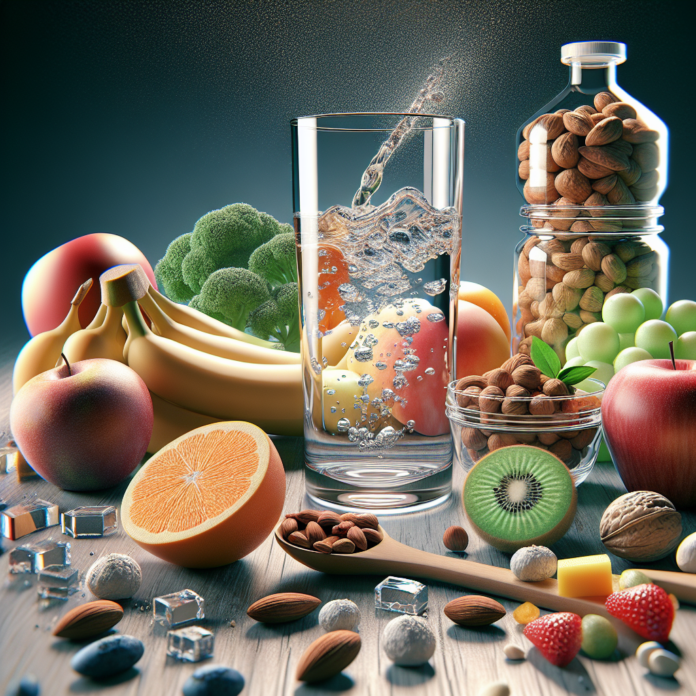
Why Food Plays a Critical Role in Long-Term Hydration
Hydration is vital for overall health, but many people overlook the role that food plays in maintaining hydration levels. While drinking water is essential, the foods we consume also contribute significantly to our hydration. This article explores why food is critical for long-term hydration and how you can maximize your intake through dietary choices.
Understanding Hydration
Hydration is the process of maintaining the right balance of fluids in the body. Proper hydration helps regulate body temperature, supports organ function, and enhances physical and mental performance. Many individuals think of hydration solely in terms of water consumption, but food can provide crucial moisture and nutrients that aid in long-term hydration.
How Food Contributes to Hydration
High-Water-Content Foods
Certain foods naturally have a high water content. Incorporating these foods into your diet can significantly boost hydration levels. Here are some examples:
-
Fruits:
- Watermelon (92% water)
- Strawberries (91% water)
- Cantaloupe (89% water)
-
Vegetables:
- Cucumber (95% water)
- Lettuce (96% water)
- Zucchini (94% water)
These water-rich fruits and vegetables can help you stay hydrated, especially during hot weather or after exercise.
Nutrient-Rich Foods
Foods that are rich in electrolytes also play a role in long-term hydration. Electrolytes, such as sodium, potassium, and magnesium, help retain fluids in the body. Including the following foods can enhance hydration:
- Bananas: High in potassium, they help regulate fluid balance.
- Sweet Potatoes: A good source of potassium and other vitamins.
- Nuts and Seeds: Provide healthy fats and magnesium, which assist in hydration.
The Importance of Balanced Meals
A balanced diet that includes a variety of food groups can significantly impact hydration levels. Eating a mix of proteins, fats, and carbohydrates ensures that your body receives all the essential nutrients it needs. This balance supports optimal hydration by maintaining fluid levels in the body.
Meal Ideas for Hydration
To help you better incorporate hydration-promoting foods, consider these meal ideas:
-
Breakfast:
- Smoothie made with spinach, banana, and almond milk.
- Oatmeal topped with berries and a pinch of salt.
-
Lunch:
- Salad with mixed greens, cucumber, cherry tomatoes, and grilled chicken.
- Quinoa bowl with diced avocado and black beans.
-
Dinner:
- Grilled fish served with steamed broccoli and sweet potatoes.
- Stir-fried vegetables with tofu and brown rice.
Snacking for Hydration
Healthy snacks can also contribute to hydration. Opt for water-dense snacks like:
- Fresh fruit
- Vegetable sticks with hummus
- Greek yogurt topped with berries
These choices not only keep you hydrated but also provide additional nutrients that your body needs to function well.
The Role of Hydration in Daily Activities
Proper hydration can impact everyday activities, from exercising to concentrating at work. When your body is well-hydrated, you may experience:
- Increased energy levels
- Enhanced focus and mental clarity
- Improved physical performance
Conversely, even mild dehydration can lead to fatigue, headaches, and difficulty concentrating. Therefore, it’s essential to maintain hydration through both beverages and food.
Incorporating Hydration into Your Lifestyle
Adopting simple habits can help you stay hydrated throughout the day:
- Plan Your Meals: Include water-rich foods in your daily meals.
- Stay Mindful: Pay attention to your body’s hydration signals, such as thirst or dark-colored urine.
- Hydrate with Food: Instead of only reaching for water, consider your food intake as a valuable hydration source.
Conclusion
Food plays an essential role in long-term hydration, complementing the water you consume. By incorporating high-water-content fruits and vegetables, as well as nutrient-rich foods, you can maximize hydration and enhance your overall health. Remember to balance your meals and snacks to support your hydration needs. With thoughtful dietary choices, you can enjoy the benefits of proper hydration and lead a healthier, more active life.