
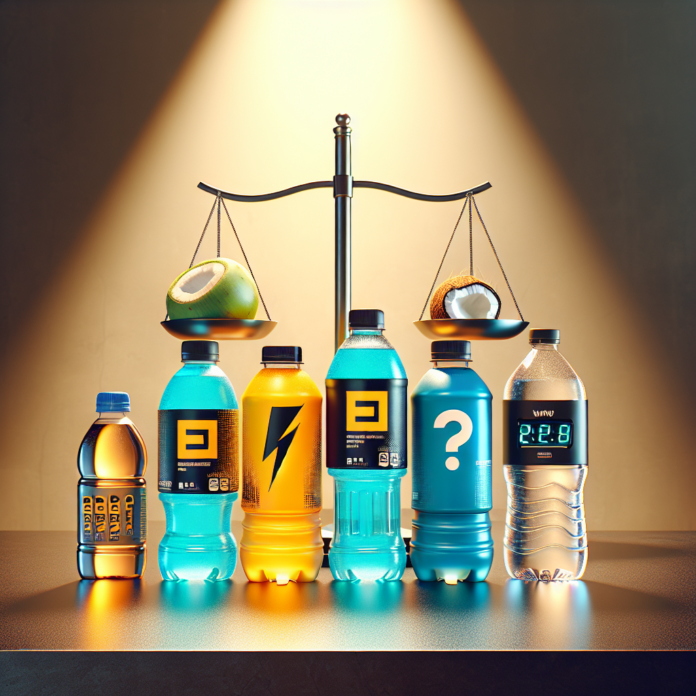
Why Electrolyte Drinks Are Not Always Necessary
In recent years, electrolyte drinks have surged in popularity, often marketed as essential for hydration and recovery, especially during exercise. However, many people may not need these beverages as often as they think. This article explores the reasons why electrolyte drinks are not always necessary and offers insight into when pure water is sufficient.
What Are Electrolytes?
Electrolytes are minerals in your body that carry an electric charge. They play crucial roles in various bodily functions, including:
- Regulating fluid balance
- Supporting muscle contraction
- Maintaining nerve function
Common electrolytes include sodium, potassium, calcium, and magnesium. While it’s important to maintain a balanced level of these minerals, many individuals may already get sufficient electrolytes through their diet.
The Role of Electrolyte Drinks
Electrolyte drinks are often formulated to replenish these critical minerals lost during sweating or exertion. They come in various forms, including:
- Sports drinks
- Coconut water
- Electrolyte powders
These beverages can be beneficial in certain situations. For example, if you’re exercising for over an hour, sweating heavily, or engaging in intense physical activity in hot weather, an electrolyte drink can help.
However, it’s not always necessary for everyone. Here’s why:
1. Hydration Needs Vary
Not everyone requires the same level of hydration or electrolyte replenishment. Factors that influence these needs include:
- Age
- Weight
- Activity level
- Climate
For most casual exercisers, plain water is typically sufficient for hydration.
2. Balanced Diet Provides Electrolytes
Many foods naturally contain electrolytes. A well-rounded diet may already offer sufficient levels of these minerals. Foods high in electrolytes include:
- Fruits: Bananas (potassium), oranges (calcium)
- Vegetables: Spinach (magnesium), tomatoes (sodium)
- Dairy: Milk (calcium)
- Nuts: Almonds (magnesium)
If you consume these foods regularly, you may not need additional electrolytes from drinks.
3. The Risk of Overconsumption
Excessive intake of electrolytes can lead to health issues such as:
- High blood pressure (from too much sodium)
- Nausea or diarrhea (from too many electrolytes)
For individuals not engaged in high-intensity activities, overconsumption can be unnecessary and even harmful.
When Are Electrolyte Drinks Beneficial?
While electrolyte drinks are often over-marketed, there are specific circumstances where they can be invaluable:
1. Intense Physical Activity
If you are participating in long-duration sports or activities lasting over an hour, especially in hot conditions, an electrolyte drink can help maintain performance and prevent dehydration.
2. Illness or Dehydration
Conditions such as gastroenteritis, where there is a loss of fluids and electrolytes, may require electrolyte replenishment. In these cases, doctors may recommend electrolyte drinks to restore balance effectively.
3. Extreme Weather Conditions
During high heat or extreme cold, your body works harder to maintain temperature. Electrolyte drinks can assist in keeping your system balanced.
Alternatives to Electrolyte Drinks
If you’re looking to hydrate without relying on commercial electrolyte drinks, consider these alternatives:
- Coconut Water: A natural source of electrolytes and lower in sugar than most sports drinks.
- Homemade Electrolyte Solutions: Mix water with a pinch of salt and a splash of fruit juice.
- Broths: Rich in sodium and other essential minerals, broths can hydrate effectively.
Conclusion
Understanding your body’s hydration needs is key to effective health management. While electrolyte drinks can be beneficial in certain situations, they are not always necessary for everyone. For most individuals, a balanced diet and water suffices for hydration. The next time you consider reaching for an electrolyte drink, evaluate your activity level and dietary intake first. Staying mindful of hydration and electrolyte balance can enhance your overall health and well-being.