
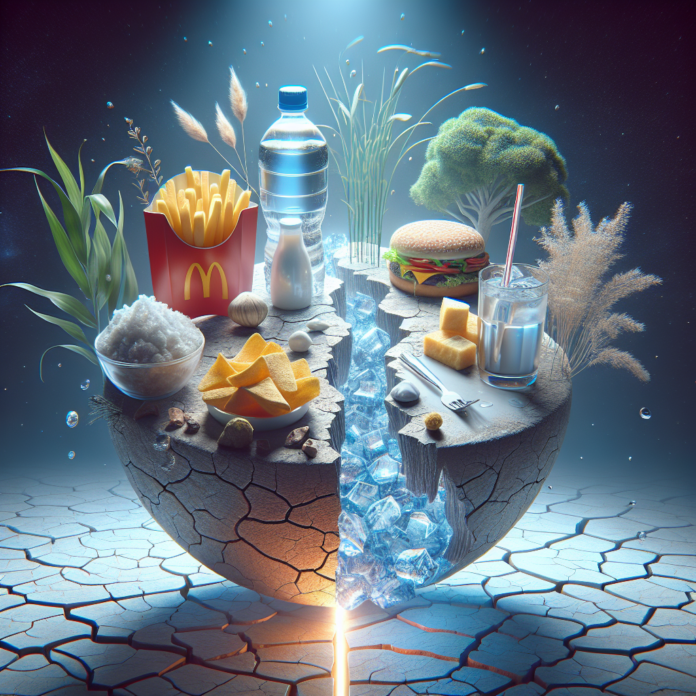
How Modern Diets Contribute to Chronic Dehydration
Chronic dehydration is a growing concern in today’s fast-paced world. Many people may not even realize that their eating habits play a significant role in this condition. Modern diets, often characterized by processed foods, high sugar intake, and low water-rich options, can lead to a lack of proper hydration. Understanding how these dietary choices contribute to chronic dehydration is essential for better health and well-being.
The Rise of Processed Foods
In recent years, processed foods have become staples in many diets. These products, which include snacks, ready-to-eat meals, and sugary drinks, often have high levels of sodium and sugar while lacking essential nutrients and water content.
-
High Sodium Content: Processed foods, such as canned soups and deli meats, are typically loaded with sodium. Consuming too much sodium can increase thirst and lead to water retention, contributing to a cycle of dehydration.
-
Lack of Hydration: Many processed foods contain minimal water, meaning they do not contribute to daily hydration needs. Instead, they can create an illusion of fullness while leaving the body in need of fluids.
The Impact of Sugar
Sugar is another common culprit in modern diets. From soft drinks to pastries, excessive sugar consumption can lead to various health issues, including chronic dehydration.
-
Increased Thirst: Sugary foods and beverages can trigger an increase in thirst as the body attempts to balance sugar levels. This can lead people to drink less water, worsening dehydration.
-
Diuretic Effect: High sugar intake can have a diuretic effect, causing the body to lose more water through urine. This amplifies the risk of dehydration, especially if water intake is not adequately maintained.
Insufficient Water-Rich Foods
Fruits and vegetables are vital for hydration, but modern diets often contain fewer of these water-rich options. This trend can lead to inadequate fluid intake and promote chronic dehydration.
-
Low Consumption of Fruits and Vegetables: Many diets emphasize convenience over nutrition, leading to fewer servings of fruits and vegetables. These foods not only provide essential vitamins but also contribute significantly to hydration.
-
Hydration from Food: Foods like cucumbers, watermelon, and oranges are not just tasty; they have high water content that helps keep the body hydrated. The absence of such foods can lead to an unintentional water deficit.
Lifestyle Choices and Dehydration
Modern lifestyle factors also play a vital role in dehydration. Busy schedules can lead to poor eating habits, compounding the problem.
-
Neglecting Water Intake: Many individuals get so caught up in their daily tasks that they forget to drink water. Relying solely on hydration from food may not be sufficient, especially if water-rich foods are not regularly consumed.
-
Busy Lifestyles: Stress and fast-paced living often lead to skipping meals or relying on convenient but unhealthy options. This can further reduce the intake of fluids necessary for hydration.
Staying Hydrated: Simple Solutions
Combatting chronic dehydration requires awareness and small changes in daily habits. Here are some practical tips:
-
Increase Water Intake: Aim to drink at least 8 cups (64 ounces) of water daily. Carrying a reusable water bottle can help remind you to stay hydrated.
-
Incorporate Hydrating Foods: Add more fruits and vegetables to your meals. Snack on water-rich options like cucumbers, strawberries, and lettuce.
-
Limit Processed Foods: Try to reduce the intake of processed foods and opt for whole foods whenever possible. This change not only helps with hydration but also offers a host of health benefits.
-
Monitor Sodium and Sugar Intake: Be mindful of the sodium and sugar content in foods. Choose lower-sodium options and satisfy your sweet tooth with natural sugars from fruits.
Conclusion
Chronic dehydration is a silent but prevalent issue influenced heavily by modern dietary habits. Processed foods, high sugar intake, and neglect of water-rich options are significant contributing factors. By being more mindful of food choices and making simple lifestyle adjustments, individuals can improve their hydration levels and overall health. Making these small changes can lead to big improvements in well-being, ensuring your body gets the hydration it needs to thrive in today’s fast-paced world.