
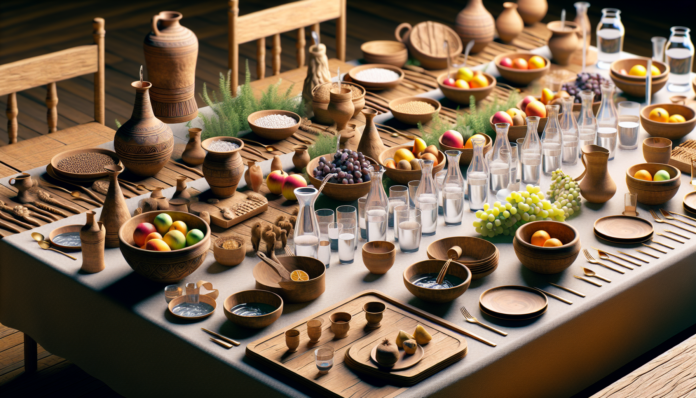
How Hydration Was Built into Ancestral Meal Structures
Hydration has always been a crucial element of human health, deeply rooted in our ancestral meal structures. Understanding how ancient societies prioritized hydration can guide modern nutritional practices and lifestyle choices. This exploration helps us appreciate not only the significance of water in our diets but also the innovative ways our ancestors incorporated hydration into their eating habits.
The Importance of Hydration in Ancestral Diets
Our ancestors lived in environments where water availability varied greatly. This inconsistency shaped their dietary choices and meal structures. Hydration was not just about drinking water; it was about understanding food’s role in achieving optimal hydration.
Food as a Source of Hydration
Many traditional foods inherently contain high water content, serving as both nourishment and hydration. For example:
- Fruits: Watermelon, oranges, and cucumbers are packed with water, providing essential hydration. Our ancestors relied heavily on seasonal fruits, especially in warmer climates.
- Vegetables: Leafy greens like lettuce, spinach, and radishes contributed to hydration while supplying vital nutrients.
- Broths and Soups: These dishes, often made from bones and vegetables, were staples. Not only did they provide nourishment, but they were also an excellent source of fluids.
Understanding how our ancestors consumed these hydrating foods highlights the balance they maintained between hydration and nutrition.
Ancestral Meal Structures and Hydration
Ancestral meal structures were designed around the resources available in local environments, heavily influenced by seasonal availability. This adaptability played a significant role in ensuring proper hydration.
Seasonal Diets and Hydration
- Spring and Summer: With an abundance of fresh fruits and vegetables, ancestral diets leaned heavily toward these hydrating options. Meals during these seasons would often incorporate salads, fresh juices, and grilled vegetables.
- Autumn and Winter: These months shifted dietary focus toward heartier meals, often incorporating stews and soups. The use of slow-cooking methods helped to extract moisture from ingredients, creating meals that were both filling and hydrating.
Cultural Practices Promoting Hydration
Hydration was also embedded in cultural practices and rituals surrounding food. These practices ensured that communities paid attention to their hydration needs.
Social Eating and Hydration
Communal meals were significant in many cultures. Sharing food fostered a sense of belonging and encouraged healthy hydration habits. Large pots of soup or broth served at communal gatherings helped to ensure that everyone consumed adequate fluids.
Rituals and Entertainment
- Feasting: Special occasions often featured hydrating foods as central elements. Festivals in many cultures included drinks made from fruits and herbs, emphasizing a celebratory approach to hydration.
- Music and Dance: Many cultures incorporated music and dance with mealtime rituals, promoting a relaxed atmosphere conducive to mindful eating and hydration.
Modern Lessons from Ancestral Hydration Practices
Examining how hydration was built into ancestral meal structures can inform contemporary eating habits. Here are some key takeaways:
- Incorporate Hydrating Foods: Make fruits and vegetables a larger part of your daily diet. Opt for salads, smoothies, and soups.
- Mindful Eating: Embrace communal meals and social gatherings. Consider slowing down to enjoy your food and drink, fostering awareness of your hydration levels.
- Seasonal Choices: Align your diet with seasonal produce to provide both hydration and nutrients appropriate for that time of year.
Conclusion: Embracing Ancestral Wisdom for Better Hydration
The relationship between hydration and ancestral meal structures teaches us a great deal about maintaining optimal health today. By integrating hydrating foods into our diets and prioritizing mindful eating, we can honor these age-old traditions. In a world where hydration is often overlooked, returning to these roots may hold the key to a healthier lifestyle.