How Hydration Through Food Supports Electrolyte Balance
Proper hydration is essential for maintaining overall health, and one often overlooked aspect is how food contributes to electrolyte balance. Electrolytes are minerals in our bodies that carry an electric charge, essential for various functions, including muscle contractions, nerve signaling, and pH balance. In this article, we will explore how hydration through food helps to maintain optimal electrolyte levels, ensuring that your body functions efficiently.
Understanding Electrolytes
Electrolytes, such as sodium, potassium, chloride, magnesium, and calcium, are vital for health. They help regulate:
- Muscle contractions
- Nervous system function
- Fluid balance
- Acid-base balance in the body
These minerals are not just essential in isolation; they work together to ensure that your body operates smoothly.
How Food Contributes to Hydration
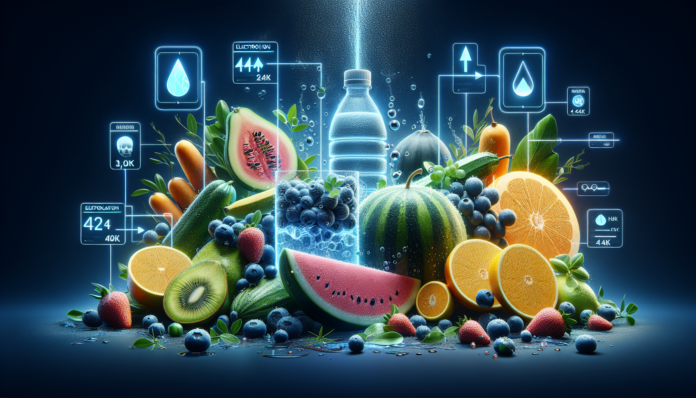
Food is not just a source of calories; it can also be a robust source of hydration. Many fruits and vegetables are composed mostly of water and contain valuable electrolytes. For example:
- Cucumbers: Around 95% water and contain potassium.
- Watermelon: About 92% water and rich in vitamins and minerals.
- Coconut Water: High in potassium and low in calories.
Incorporating these foods into your diet can significantly enhance your hydration levels, while also providing the necessary electrolytes to keep your body balanced.
Foods Rich in Electrolytes
If you want to maintain excellent electrolyte balance through food, consider including these items in your meals:
Fruits
- Bananas: High in potassium, perfect for muscle function.
- Oranges: Packed with vitamin C and potassium.
- Avocados: Loaded with potassium and healthy fats.
Vegetables
- Spinach: Rich in magnesium, calcium, and potassium.
- Potatoes: A great source of potassium when eaten with the skin.
- Tomatoes: Provide potassium and hydration.
Dairy and Alternatives
- Yogurt: Contains calcium and probiotics for digestive health.
- Milk: Excellent source of potassium and calcium.
Nuts and Seeds
- Pumpkin Seeds: High in magnesium and zinc.
- Almonds: Provide calcium and vitamin E.
Hydration Tips for Better Electrolyte Balance
To optimize your electrolyte balance, consider these hydration tips:
- Incorporate Hydrating Foods: Make sure to include plenty of fruits and vegetables in your daily meals.
- Consume Electrolyte-Rich Snacks: Snack on nuts, yogurt, or fruits throughout the day.
- Stay Consistent: Hydrate consistently rather than guzzling large amounts of water at once.
- Limit Processed Foods: These often contain high sodium levels, which can interfere with electrolyte balance.
Recognizing Signs of Imbalance
It’s crucial to recognize when your electrolyte levels are off. Signs of imbalance may include:
- Fatigue or weakness
- Muscle cramps
- Nausea or vomiting
- Dizziness
If you experience these symptoms, consider assessing your hydration through food and drink.
Balancing Hydration and Electrolytes During Exercise
For those engaged in physical activities, hydration becomes even more critical. When you sweat, you lose both water and electrolytes. Here are some strategies:
- Pre-Workout: Eat a meal containing hydrating fruits and vegetables.
- During Activity: Drink water and consider oral rehydration solutions or electrolyte-infused drinks if you’re exercising for over an hour.
- Post-Workout: Refuel with a meal or snack that includes electrolytes to replenish what you lost.
Conclusion
Hydration through food plays a pivotal role in maintaining electrolyte balance. By understanding the foods that contribute to hydration and the importance of electrolytes, you can better support your body’s health. Prioritize a diet rich in fruits, vegetables, and other electrolyte sources to promote well-being and high performance in your daily activities. With the right approach, staying hydrated can be both easy and enjoyable, ensuring that you feel your best every day.