
How Hydration Through Food Improves Fluid Distribution
Hydration is essential for maintaining overall health, but many people overlook the importance of food in their hydration strategy. When we think of hydration, we often picture a glass of water. However, food plays a crucial role in how fluid is distributed throughout our bodies. Proper hydration through food can enhance our health, improve performance, and even bolster our mental clarity.
The Role of Hydration in the Body
Hydration affects numerous bodily functions. Water helps:
- Regulate body temperature
- Transport nutrients
- Cushions joints
- Supports cell structure
Understanding how hydration through food works can make a significant difference in our well-being.
Foods High in Water Content
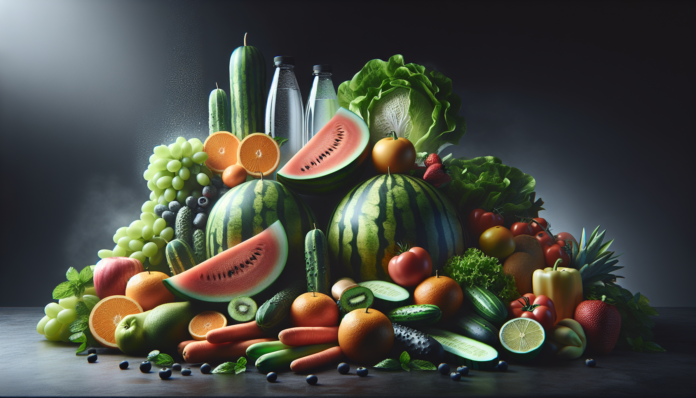
Some foods have a higher water content than others. Including these foods in your diet can improve hydration levels effectively. Consider adding the following to your meals:
- Fruits: Watermelon, oranges, and strawberries
- Vegetables: Cucumber, lettuce, and zucchini
- Soups: Broths and vegetable soups can contribute to your daily hydration
- Dairy: Yogurt and milk also provide fluid while adding nutrients
Including these foods not only hydrates but also offers essential vitamins and minerals.
Why Hydration Matters for Fluid Distribution
Hydration through food directly influences how fluids are distributed in the body. A well-hydrated body can absorb and utilize fluids more efficiently. Here are some benefits of proper hydration:
- Enhanced Circulation: Well-hydrated cells improve blood flow, delivering oxygen and nutrients to tissues.
- Improved Nutrient Absorption: Adequate hydration helps dissolve nutrients, making them easier for the body to absorb.
- Optimal Kidney Function: Proper hydration promotes kidney health, helping to filter waste efficiently.
- Boosted Energy Levels: Proper hydration can enhance energy levels, making daily activities feel less strenuous.
Nutrient-Dense Hydrating Foods
Choosing nutrient-dense foods can amplify the hydration benefits. Foods rich in electrolytes, such as potassium and magnesium, support fluid balance. Some foods to consider include:
- Bananas: Rich in potassium, helping to maintain fluid balance.
- Leafy Greens: Spinach and kale are high in water and valuable nutrients.
- Coconut Water: This natural electrolyte drink is excellent for hydration.
Incorporating these foods into meals and snacks can maximize hydration’s impact on fluid distribution.
Tips for Staying Hydrated Through Food
- Make it a Habit: Include hydrating fruits and vegetables in every meal.
- Snack Smart: Choose hydrating snacks such as yogurt, veggie sticks, or fruit salads.
- Drink Soups: Incorporate soups into your diet, especially during colder months.
- Flavor Your Water: If plain water seems dull, add slices of cucumber or lemon for flavor.
How Meal Timing Affects Hydration
Timing your meals can further enhance hydration. Eating smaller, more frequent meals can help maintain constant hydration levels throughout the day. This practice prevents dehydration and allows your body to effectively distribute fluids.
Recognizing Signs of Dehydration
Even with a hydrating diet, dehydration can occur. Be aware of these signs:
- Thirst
- Dark urine
- Fatigue
- Dizziness
If you notice any of these symptoms, increase your fluid intake and focus on hydrating foods.
Hydration and Physical Performance
Athletes and active individuals should pay particular attention to hydration. Consuming hydrating foods before and after workouts can enhance performance and recovery. Foods like bananas and yogurt can replenish lost fluids and provide additional energy.
The Connection Between Hydration and Mental Clarity
Hydration also impacts cognitive functions. Studies suggest that even mild dehydration can affect concentration and mood. Keeping hydrated through food can help maintain mental sharpness, especially during long periods of focus, such as studying or working.
Conclusion
Hydration through food is a powerful way to improve fluid distribution in the body. By understanding and incorporating hydrating foods into your diet, you can enhance your overall health, energy levels, and even mental clarity. Remember to choose nutrient-dense options, stay aware of hydration signs, and make food choices that support your fluid needs. Embrace food as part of your hydration strategy for a healthier lifestyle.