
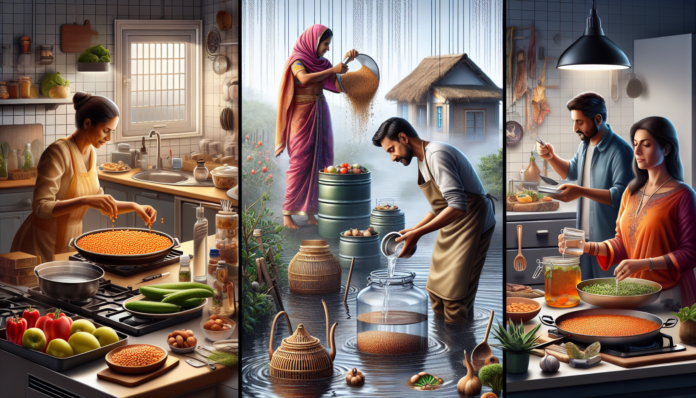
How Cultural Food Practices Supported Water Balance
Understanding how cultural food practices supported water balance is crucial for appreciating our history and future sustainability efforts. Across different regions, traditional eating habits have evolved based on the environment, available resources, and social customs. This interplay has significant effects on the delicate balance of water resources.
The Connection Between Food and Water
Food production is inherently linked to water usage. Agricultural practices often determine how much water is needed for crops and livestock. Various cultures have developed unique methods that not only cater to their dietary needs but also promote efficient water use.
Historical Context
Many ancient civilizations were deeply aware of their water resources. For instance, indigenous groups in arid regions created agricultural systems that relied on careful water management. These practices were not merely economic; they reflected a harmonious relationship with nature.
Traditional Irrigation Techniques
-
Terracing: This method involves creating stepped fields on slopes. It reduces runoff and erosion, allowing for better water retention. Cultures in the Andes used this effectively, demonstrating the power of local knowledge in water conservation.
-
Wells and Cisterns: Many societies, particularly in dry climates, developed sophisticated systems for storing rainwater. Cisterns allowed communities to have a reliable water supply during dry seasons.
-
Floodplain Farming: Utilizing natural floods, some cultures grew crops that thrived in these moist conditions. This perfectly balanced the need for crop cultivation with sustainable water management.
Plant-Based Diets and Water Efficiency
In various cultures, a plant-based diet is more than a health choice; it is often a sustainable one.
-
Lower Water Footprint: Growing plants typically requires less water compared to raising livestock. This realization has led many societies to embrace vegetarian or vegan diets.
-
Diverse Crop Rotations: By rotating different crops, communities can enhance soil health and optimize water use. For example, the practice of intercropping legumes with grains can improve nitrogen levels in the soil, reducing the need for water.
Seasonal Eating Habits
Many cultures have developed seasonal eating practices which directly help with water management.
-
Local Sourcing: Consuming foods that are in season reduces the need for irrigation. This approach minimizes the stress on local water supplies.
-
Preservation Techniques: Traditional methods of preserving food, like drying or fermenting, often concentrate flavors and nutrients while using less water. This approach highlights the importance of maximizing resources.
Modern Implications of Traditional Practices
As the world grapples with climate change and water scarcity, revisiting these cultural food practices provides valuable insights. Many traditional methods promote sustainability and environmental stewardship.
Reviving Historical Wisdom
-
Community Gardens: Inspired by ancient agricultural systems, many urban communities are adopting garden projects that emphasize local food production and water efficiency.
-
Educational Programs: Schools and organizations are teaching sustainable farming techniques rooted in historical practices, highlighting their importance in the modern world.
Conclusion
Cultural food practices have long played a vital role in supporting water balance. By understanding how these traditions evolved, we can learn to manage our resources more effectively today. Embracing these methods not only enhances our connection to our food but also helps ensure a sustainable future.
As we face increasing global challenges related to water scarcity and food security, integrating historical wisdom with modern practices may offer the most effective path forward.