
How Ancestral Eating Patterns Supported Fluid Retention
Fluid retention is often seen as an uncomfortable condition, but it has roots in our ancestral eating patterns. Understanding these patterns can provide insights into why our bodies sometimes retain excess water and how traditional diets might support overall health.
The Ancestral Diet and Its Benefits
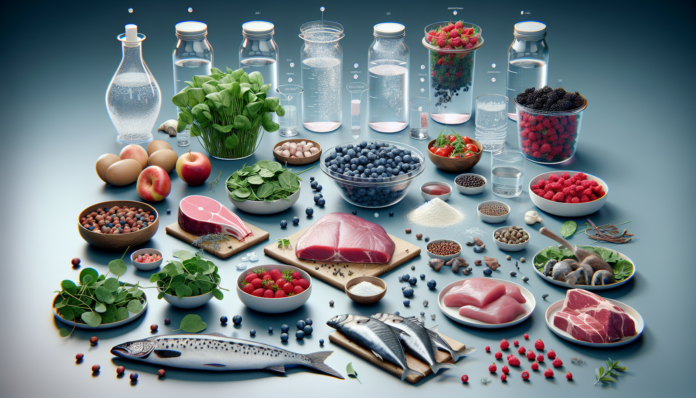
Our ancestors lived in harmony with their environment, thriving on diets rich in whole foods. This ancestral diet predominantly included:
- Fresh fruits and vegetables: Packed with vitamins and minerals.
- Lean meats and fish: Great sources of protein and healthy fats.
- Nuts and seeds: Full of healthy oils and nutrients.
- Whole grains: Providing essential fiber and energy.
These foods were often seasonal and locally sourced, limiting processed ingredients. This natural approach has its advantages, particularly when it comes to managing fluid balance in the body.
Understanding Fluid Retention
Fluid retention, or edema, occurs when excess fluid builds up in the body’s tissues. While often uncomfortable, it can be a natural response to dietary factors. Ancestral eating patterns can support our health in various ways that affect fluid balance:
-
Sodium Intake: Traditional diets had a lower sodium content compared to modern processed foods. High sodium intake is often linked to fluid retention, whereas a balanced intake supports a healthy fluid balance.
-
Hydration: Ancestral diets emphasized hydrating foods like fresh fruits and vegetables, which are high in water content. These foods help the body regulate fluid levels effectively.
-
Natural Fiber: Foods rich in fiber aid digestion and can help prevent bloating, a common cause of perceived fluid retention.
Key Components of Ancestral Eating Patterns
To understand how these eating patterns supported fluid retention, we can look at several key components.
Natural Electrolyte Balance
Electrolytes like potassium and magnesium, found in many ancestral foods, play a crucial role in fluid balance. These minerals help control fluid distribution in the body.
- Potassium-rich foods: Bananas, sweet potatoes, and leafy greens.
- Magnesium sources: Nuts, seeds, and whole grains.
Incorporating these foods into your diet can help maintain healthy hydration levels.
Healthy Fats and Proteins
Traditional diets included healthy fats and proteins, which promote satiety and nutrient absorption. This aspect of ancestral eating is vital for maintaining overall health and reducing the likelihood of fluid retention.
- Omega-3 fatty acids: Found in fish like salmon, these fats can reduce inflammation.
- Lean proteins: Chicken, turkey, and legumes support muscle health and fluid regulation.
The Role of Seasonal Eating
Seasonal eating is another important facet of ancestral diets, influencing fluid retention in various ways.
Eating What’s Available
Consuming foods that are in season not only ensures freshness but also helps maintain balance in the body. Seasonal foods often have high water content during warmer months, aiding hydration.
Adapting to Natural Cycles
Eating according to the seasons allows the body to adapt naturally to changes in temperature and humidity. This alignment can prevent unnecessary fluid retention by promoting a balanced intake of hydrating foods.
Implementing Ancestral Eating Habits Today
Integrating ancestral eating habits into your modern lifestyle can support fluid balance effectively. Here are some strategies:
-
Choose Whole Foods: Incorporate unprocessed foods into your meals whenever possible. Aim for a colorful plate filled with fruits, vegetables, and lean proteins.
-
Reduce Processed Foods: Limit intake of high-sodium snacks and meals, which can worsen fluid retention.
-
Stay Hydrated: Drink plenty of water and consume hydrating foods. Keep an eye on your hydration levels throughout the day.
-
Listen to Your Body: Observe how different foods affect your fluid retention and adjust your diet accordingly.
Conclusion
Understanding how ancestral eating patterns supported fluid retention can help us make informed dietary choices today. By embracing whole foods, seasonal eating, and maintaining a proper electrolyte balance, we can enhance our overall health and minimize discomfort from fluid retention.
As we look to the future, adopting these principles can not only improve our health but also reconnect us with the practices that have sustained humanity for generations. By honoring our ancestral roots in our diet, we can achieve a better balance in our bodies and support a more vibrant lifestyle.