
Hydrating Foods That Help Reduce Headaches from Dehydration
Headaches can be a common consequence of dehydration. When our bodies lack sufficient water, various symptoms may arise, including throbbing headaches. Fortunately, certain hydrating foods can help alleviate these discomforts and keep you feeling your best. In this article, we will explore which foods can help combat dehydration and provide relief from headaches.
Understanding Dehydration and Headaches
Dehydration occurs when your body loses more fluids than it takes in. This can happen due to excessive sweating, not drinking enough water, or even consuming diuretic beverages like coffee and alcohol.
When dehydrated, your brain can temporarily shrink from fluid loss, causing pain and discomfort. Recognizing symptoms early on is essential, as they can be easily managed with increased fluid intake and proper nutrition.
Hydrating Foods to Combat Dehydration
Incorporating hydrating foods into your diet is one effective way to stay hydrated and reduce headache frequency. Below are some of the best options:
Fruits Rich in Water
Fruits are not only delicious but also packed with water content.
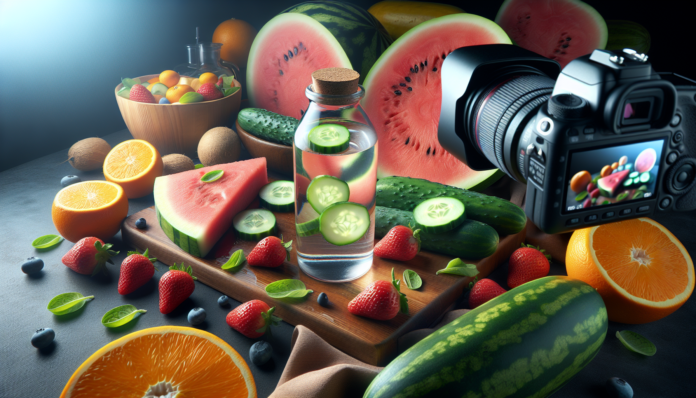
- Watermelon: Comprising about 92% water, watermelon is an excellent choice for hydration.
- Cucumbers: Often considered a vegetable, cucumbers are around 95% water and make a refreshing snack.
- Strawberries: With about 91% water, strawberries are sweet and hydrating.
- Oranges: Providing about 86% water, oranges are also rich in vitamin C, which can support overall health.
Vegetables Packed with Hydration
Certain vegetables can also help you maintain your hydration levels:
- Lettuce: Varieties like iceberg lettuce are composed of about 95% water, making them great for salads.
- Celery: This crunchy vegetable contains about 95% water, and its high fiber content aids digestion.
- Radishes: With a water content of about 95%, radishes add crunch and flavor to salads.
Broths and Soups
Liquid-based foods are excellent for hydration:
- Vegetable Broth: A bowl of vegetable broth not only hydrates but also provides essential nutrients.
- Chicken Soup: Often used as comfort food, chicken soup replenishes fluids while providing protein.
Dairy and Dairy Alternatives
Dairy products can also contribute to hydration:
- Yogurt: Containing up to 85% water, yogurt is a healthy snack choice that also delivers probiotics.
- Coconut Water: Though not a dairy product, coconut water mimics the electrolyte balance of human plasma, making it refreshing and hydrating.
Tips for Maximizing Hydration
In addition to incorporating hydrating foods, here are a few tips to maximize your hydration:
Drink Plenty of Water
Aim to drink at least 8 cups of water daily. This is crucial, especially in hotter weather or during physical activity.
Monitor Your Fluid Intake
Keep track of how much water you consume. Setting reminders can help you stay on track.
Limit Dehydrating Beverages
Try to limit your intake of caffeinated and alcoholic drinks, as they can contribute to dehydration.
Eat Hydrating Foods Regularly
Make hydrating foods a regular part of your meals and snacks. Most meals can benefit from adding fruits and vegetables with high water content.
Recognizing and Responding to Symptoms
Knowing when dehydration is affecting you allows you to take timely action.
Symptoms of Dehydration
Common symptoms include:
- Dry mouth
- Fatigue
- Dizziness
- Thirst
Combatting Headaches
If you do experience headaches, try consuming some of the hydrating foods mentioned above. Pair them with a glass of water for enhanced relief.
Conclusion
Hydration is vital for maintaining overall health and preventing headaches from dehydration. Incorporating hydrating foods like fruits, vegetables, and broth into your daily diet can significantly reduce the risk of dehydration-related headaches. Remember to drink plenty of water and monitor your fluid intake for optimal hydration.
By making these simple dietary adjustments, you can not only stave off headaches but also support your well-being for a healthier, more vibrant life. Staying hydrated doesn’t have to be a chore; with the right foods, it can be a delicious and enjoyable part of your daily routine.