
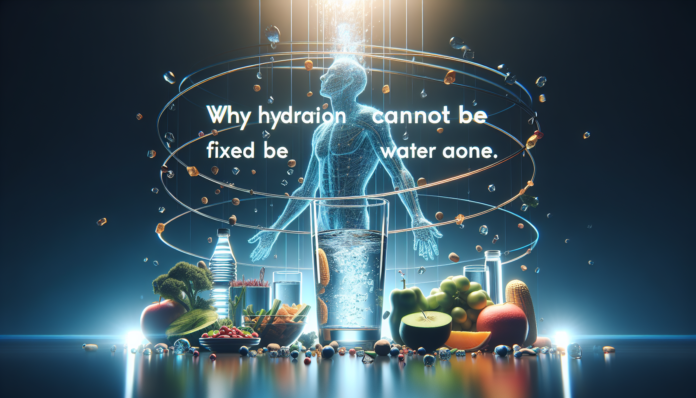
Why Hydration Cannot Be Fixed by Water Alone
Hydration is often associated with drinking water, yet this view is too simplistic. While water is essential for survival, relying solely on it for hydration may not address the body’s comprehensive needs. This article explores why hydration goes beyond just water intake and highlights how electrolytes and other nutrients play a vital role in maintaining optimal hydration.
Understanding Hydration
Hydration refers to the process of providing adequate fluids to the body for it to function correctly. It affects not only physical performance but also cognitive function, mood, and overall health. Many believe that simply drinking water is sufficient for hydration, but this is an incomplete perspective.
The Role of Water in Hydration
Water serves as the primary source for hydration. It plays several critical functions, including:
-
Regulating Body Temperature: Water helps maintain a stable body temperature, especially during exercise or warm weather.
-
Transporting Nutrients: It carries essential nutrients to cells and aids in waste removal.
-
Supporting Cellular Function: Every cell in the body requires water to function optimally.
However, while water is indispensable, it does not fulfill all the hydration needs of the body.
The Importance of Electrolytes
Electrolytes are minerals found in the body that carry an electric charge. These include sodium, potassium, calcium, and magnesium. They are crucial for many bodily functions:
Functions of Electrolytes
-
Fluid Balance: Electrolytes help regulate fluid balance in and out of cells. Without them, simply drinking water might not effectively hydrate the body.
-
Nerve Function: Electrolytes transmit signals in the nervous system, impacting muscle function and coordination.
-
Muscle Contraction: Adequate electrolyte levels are vital for muscle contractions, preventing cramps and fatigue during physical activity.
When Water Alone Isn’t Enough
There are several scenarios where water alone may not suffice for hydration:
1. Intense Physical Activity
During strenuous exercise, you sweat more, losing not just water but also electrolytes. Replenishing these minerals through sports drinks or electrolyte supplements is essential.
2. Hot Weather Conditions
Excessive heat causes increased sweating, which can lead to a significant loss of electrolytes. For effective hydration, it’s crucial to consume both water and electrolytes.
3. Illness or Dehydration
Conditions like diarrhea, vomiting, or fever disrupt fluid and electrolyte balance. In such cases, rehydration solutions containing both water and electrolytes are often recommended by health professionals.
Enhancing Hydration with Food Sources
In addition to drinking fluids, certain foods also contribute to hydration. Including these foods in your diet can enhance your overall hydration status:
- Fruits: Watermelon, oranges, and strawberries have high water content and provide vitamins.
- Vegetables: Cucumbers, lettuce, and celery are refreshing and hydrating.
- Soups and Broths: These provide both hydration and essential nutrients, especially during illness.
Hydration Tips for Optimal Health
To ensure effective hydration, consider the following tips:
-
Balance Water and Electrolytes: Drink water but also include electrolyte-rich beverages, especially during intense exercise.
-
Eat Hydrating Foods: Incorporate fruits and vegetables into your meals.
-
Stay Aware of Symptoms: Signs of dehydration include dark urine, fatigue, dizziness, and dry mouth.
Conclusion
Hydration cannot be fixed by water alone. While water is a vital component of hydration, the body requires a careful balance of electrolytes, nutrients, and adequate fluid intake to function optimally. By understanding the broader aspects of hydration, you can take proactive steps to maintain your health and well-being. Prioritizing a balanced intake of water, electrolytes, and hydrating foods is essential for overall hydration and vitality.