
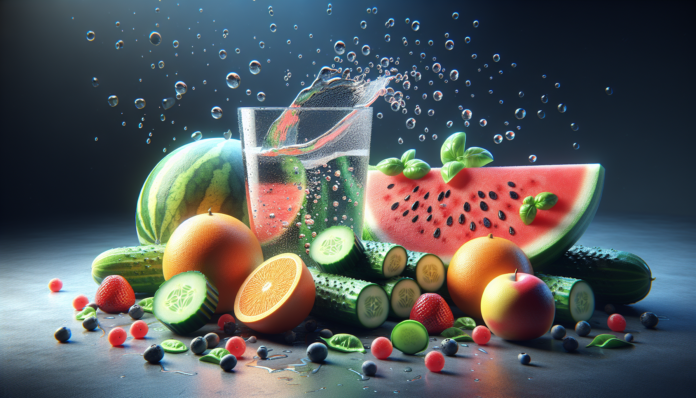
How Food-Based Hydration Reduces Dehydration Risk
Dehydration is a common issue that many people face, especially during hot weather or intense physical activity. While drinking water is important, food-based hydration is an effective way to minimize dehydration risk. This article will explore how incorporating hydrating foods into your diet can keep you hydrated and contribute to your overall health.
Understanding Dehydration
Dehydration occurs when your body loses more fluids than it takes in.
Signs of Dehydration
Recognizing the signs of dehydration is crucial. Look out for:
- Dry mouth
- Fatigue
- Dizziness
- Dark yellow urine
If you notice these symptoms, it’s important to rehydrate promptly.
The Role of Food in Hydration
Food plays a significant role in hydration. Many fruits and vegetables have high water content, contributing to your daily fluid intake. Consuming these foods not only provides hydration but also offers essential nutrients.
Hydrating Foods to Include in Your Diet
Certain foods are particularly effective at keeping you hydrated:
- Watermelon: Composed of about 92% water, making it a top choice.
- Cucumber: Refreshingly crisp, with about 95% water content.
- Strawberries: These delicious berries contain around 91% water.
- Celery: Low in calories and has about 95% water.
- Spinach: A nutrient powerhouse with nearly 91% water.
Incorporating these foods into your meals can contribute significantly to your hydration needs.
Benefits of Food-Based Hydration
Nutrient-Rich Hydration
Unlike plain water, hydrating foods also deliver essential vitamins and minerals, such as:
- Vitamins C and K: Found in fruits and leafy greens.
- Potassium: Important for maintaining electrolyte balance.
- Antioxidants: Help protect your cells from damage.
These nutrients can enhance your overall health while keeping you hydrated.
Longer-Lasting Hydration
Foods with high water content can provide longer-lasting hydration compared to drinking water alone. The body absorbs fluids from foods more gradually, which can help maintain hydration levels over time.
Satiety and Reduced Caloric Intake
Eating hydrating foods can also make you feel fuller while consuming fewer calories. This can be especially beneficial for those looking to manage their weight.
How to Maximize Food-Based Hydration
To get the most from food-based hydration, consider the following tips:
- Balance Your Meals: Include a mix of hydrating fruits and vegetables in every meal.
- Snack Wisely: Choose hydrating snacks like berries, cucumbers, or smoothies.
- Stay Seasonal: Opt for seasonal fruits and vegetables, which are often more flavorful and hydrating.
- Experiment with Salads: Create salads featuring water-rich vegetables for a refreshing side.
Simple Recipes for Food-Based Hydration
Here are a couple of easy recipes that maximize hydrating foods:
Hydrating Fruit Salad
Ingredients:
- Watermelon
- Strawberries
- Pineapple
- Mint leaves
Instructions:
- Chop all fruits into bite-sized pieces.
- Toss with mint leaves for added flavor.
- Serve cold for a refreshing treat.
Cucumber and Tomato Salad
Ingredients:
- Cucumbers
- Cherry tomatoes
- Feta cheese
- Olive oil
- Lemon juice
Instructions:
- Slice the cucumbers and halve the cherry tomatoes.
- Combine in a bowl and add feta cheese.
- Drizzle with olive oil and lemon juice for flavor.
Both dishes help boost hydration levels and are easy to prepare.
Staying Hydrated in Different Situations
Different activities and environments can increase your dehydration risk. Here’s how to stay hydrated in various situations:
Hot Weather
When it’s hot outside, ensure you drink extra fluids and consume hydrating foods to cool off. Choose icy smoothies or chilled fruit salads to beat the heat.
Physical Activity
During exercise, balance your water intake with foods like bananas or oranges. These replenish lost electrolytes while providing hydration.
Traveling
Air travel can lead to dehydration. Pack water-rich snacks like cucumber slices and grapes for a refreshing and hydrating option.
Conclusion
Food-based hydration is an effective way to reduce dehydration risk. By incorporating hydrating fruits and vegetables into your diet, you can enjoy both hydration and essential nutrients. This approach not only keeps your body functioning optimally but also makes your meals more enjoyable. As you move forward, embrace food-based hydration and make it a part of your daily routine for better health and wellness.