
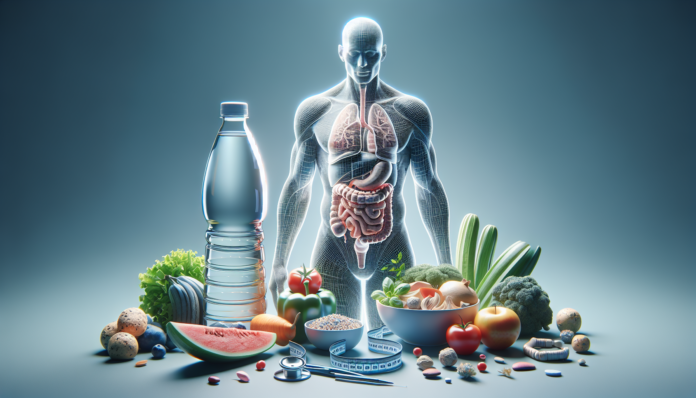
Why Hydration Is Regulated Through Diet and Metabolism
Hydration is crucial for maintaining overall health, affecting everything from energy levels to cognitive function. Understanding why hydration is regulated through diet and metabolism can help individuals make better choices for their well-being. This article will explore the relationship between hydration, diet, and metabolism, highlighting important aspects to ensure you remain properly hydrated.
What Is Hydration?
Hydration refers to the body’s water content, which plays a vital role in various physiological processes. Water makes up about 60% of the human body and is essential for:
- Regulating body temperature
- Keeping joints lubricated
- Protecting organs and tissues
- Aiding in digestion
- Transporting nutrients
Given its importance, it is essential to maintain proper hydration levels.
The Role of Diet in Hydration
Diet plays a significant role in hydration levels. Foods contain varying amounts of water, contributing to our daily intake. Here are some dietary components that promote hydration:
Fruits and Vegetables
Fruits and vegetables are high in water content, making them excellent choices for hydration. Some hydration champions include:
- Watermelon (approx. 92% water)
- Cucumbers (approx. 95% water)
- Strawberries (approx. 91% water)
Incorporating these foods into your diet can significantly enhance hydration.
Beverages
While water is the best hydration source, other beverages also contribute. Consider:
- Herbal teas
- Coconut water
- Low-sugar smoothies
These options provide hydration without excessive calories or added sugars.
Metabolism’s Influence on Hydration
Metabolism is the process through which your body converts food into energy. This process also influences how hydration is regulated. Here’s how:
Energy Production
During metabolism, water is produced as a byproduct. This means that some hydration needs are met through metabolic processes. Therefore, the higher your metabolic rate, the more water your body may require.
Electrolyte Balance
Metabolism also involves the regulation of electrolytes, which are essential for maintaining fluid balance. Key electrolytes include:
- Sodium
- Potassium
- Magnesium
An imbalance can lead to dehydration. Eating a balanced diet rich in these nutrients helps maintain proper hydration levels.
Factors Affecting Hydration Needs
Understanding that hydration needs vary from person to person is essential. Factors influencing these needs include:
- Age: Older adults often have decreased thirst sensation, making them more susceptible to dehydration.
- Activity Level: Athletes or people who exercise regularly require more hydration due to water loss through sweat.
- Climate: Hot and humid conditions increase fluid loss, necessitating higher hydration intake.
It’s essential to tailor your hydration strategy to your individual needs.
The Importance of Listening to Your Body
Being aware of hydration signals can significantly enhance your well-being. Common signs of dehydration include:
- Dry mouth
- Fatigue
- Dizziness
- Dark-colored urine
By paying attention to these cues, you can adjust your hydration practices accordingly.
Tips for Staying Hydrated
To ensure you remain adequately hydrated through diet and metabolism, consider the following tips:
- Carry a Water Bottle: Keep a reusable water bottle with you as a constant reminder to drink water.
- Set Reminders: Use your phone or watch to set reminders for water intake throughout the day.
- Infuse Water with Flavor: Add slices of lemon, lime, or herbs like mint to make water more enjoyable.
- Monitor Urine Color: Aim for light straw-colored urine to indicate proper hydration.
- Balance Your Diet: Include a variety of fruits, vegetables, and whole foods to optimize hydration and nutrient intake.
Conclusion
Hydration is regulated through diet and metabolism, making it essential to understand how these factors interact. By focusing on a balanced diet rich in water-dense foods and being mindful of your body’s unique hydration needs, you can ensure optimal health and performance. Prioritizing hydration will not only enhance your well-being but also support your body’s vital functions. In a world brimming with processed foods and busy lifestyles, making conscious hydration choices is a step towards a healthier future. Stay hydrated and thrive!