
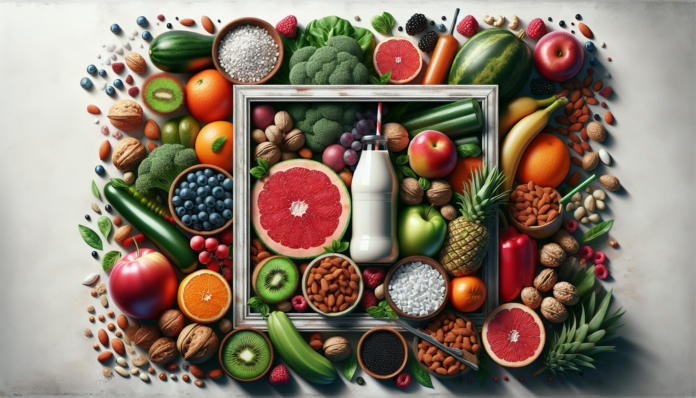
How Mineral-Rich Foods Support Long Term Hydration
Maintaining proper hydration is essential for overall health. While many people think of drinking water as the primary way to stay hydrated, mineral-rich foods play a crucial role in supporting long-term hydration. In this article, we will explore how these foods help maintain fluid balance, enhance bodily functions, and ultimately lead to better health outcomes.
Understanding Hydration
Hydration refers to the process of maintaining adequate fluid levels in the body. Proper hydration is vital for:
- Regulating body temperature
- Supporting digestion
- Improving cognitive functions
- Enhancing skin health
While water is a key component, minerals found in food can significantly impact how well our bodies retain fluids over time.
The Importance of Minerals in Hydration
Minerals are naturally occurring substances that our bodies require in small amounts. When it comes to hydration, specific minerals like sodium, potassium, magnesium, and calcium are particularly important. These minerals help maintain fluid balance by:
- Regulating the movement of water in and out of cells
- Balancing electrolytes in the bloodstream
- Supporting vital cellular functions
When mineral levels are adequate, the body is better equipped to absorb and retain water, promoting long-term hydration.
Key Minerals for Hydration
Sodium
Sodium is crucial for retaining fluid in the body. It helps regulate blood pressure and keeps the right balance of fluids in and around cells. Foods high in sodium include:
- Table salt
- Olives
- Pickled vegetables
- Smoke-cured meats
Potassium
Potassium helps counterbalance sodium’s effects and supports fluid balance. It plays a role in nerve function and muscle contraction. Rich sources of potassium include:
- Bananas
- Spinach
- Sweet potatoes
- Avocados
Magnesium
Magnesium contributes to hydration by assisting in energy production and muscle function. It allows cells to utilize water effectively and can be found in foods such as:
- Nuts and seeds
- Whole grains
- Dark chocolate
- Leafy green vegetables
Calcium
Calcium is not just essential for bone health; it also aids in hydration. It helps regulate fluid levels and nerve signaling. Foods high in calcium include:
- Dairy products
- Leafy greens
- Fish with edible bones (like canned salmon)
- Fortified plant-based milks
Hydrating Foods to Include in Your Diet
Incorporating mineral-rich foods into your diet does not have to be difficult. Here are some hydrating foods that are rich in essential minerals:
- Watermelon: Contains a high water content and is rich in potassium.
- Cucumbers: Made up of about 95% water and contains beneficial minerals.
- Tomatoes: Juicy and rich in potassium, they can be eaten raw or cooked.
- Oranges: Packed with water and vitamin C, oranges also contribute potassium.
Preparing Hydrating Meals
To maximize hydration, consider preparing meals that include a variety of mineral-rich foods. Here are some meal ideas:
- Salads: Combine leafy greens, tomatoes, cucumbers, and avocados for a refreshing and hydrating dish.
- Smoothies: Blend spinach or kale with bananas and yogurt for a mineral-packed beverage.
- Soups: Use broth as a base and add vegetables like carrots, celery, and beans for a hydrating, nutritious meal.
The Connection Between Hydration and Performance
Hydrated bodies perform better, whether in physical activities or mentally demanding tasks. For athletes, proper hydration aids in endurance and recovery. It’s important for anyone engaged in regular activities to ensure they’re not just drinking water but also consuming foods that provide essential minerals.
Tips for Staying Hydrated with Mineral-Rich Foods
To ensure you are getting enough minerals for hydration, consider the following tips:
- Snack smart: Choose mineral-rich snacks like nuts, seeds, or fresh fruit instead of processed options.
- Plan meals: Make meal plans that incorporate a variety of fruits, vegetables, and whole grains.
- Balance diet: Aim for a balanced diet that includes all food groups for optimal mineral intake.
Conclusion
Mineral-rich foods are integral to maintaining long-term hydration. By including foods high in sodium, potassium, magnesium, and calcium in your diet, you can support your body’s ability to retain fluids effectively. As you focus on proper hydration, remember that balanced meals can enhance not just your hydration status but your overall health too. In a world bustling with ready-to-consume drinks, let’s not overlook the powerful potential of food in our hydration journey.