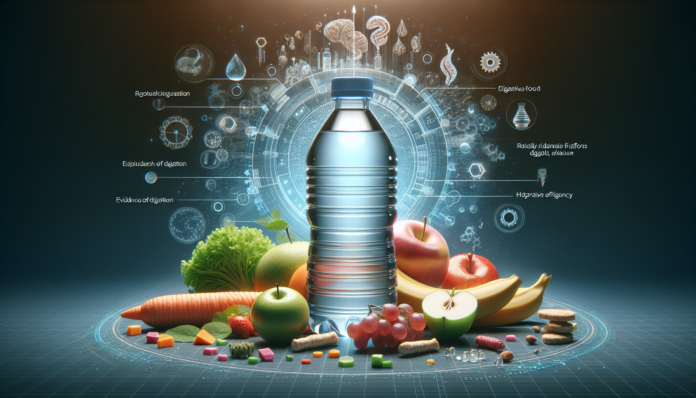
Hydration plays a crucial role in maintaining overall health, and it significantly impacts digestive efficiency. While many people focus on drinking water, food can also be an essential source of hydration. This article explores how hydration from food contributes to digestive efficiency, the types of hydrating foods you should include in your diet, and tips to optimize your hydration levels.
The Importance of Hydration in Digestion
Digestion is a complex process that breaks down food into nutrients. This process requires water for several reasons:
- Saliva Production: Water is a key component of saliva, which helps break down food in the mouth.
- Nutrient Absorption: Water facilitates the absorption of nutrients in the intestines.
- Waste Elimination: Proper hydration aids in the efficient removal of waste products through urine and feces.
When you are adequately hydrated, your body can perform these functions more effectively, leading to a healthier digestive system.
Foods High in Water Content
Certain foods provide more hydration than others. Including a variety of hydrating foods in your diet can boost your overall water intake and support digestive efficiency. Here are some categories of hydrating foods to consider:
Fruits
Fruits are not only delicious but also rich in water content. Some of the best hydrating fruits include:
- Watermelon: Composed of about 92% water, it’s refreshing and supports hydration.
- Cucumber: Another water-rich food, providing about 95% water.
- Strawberries: These berries contain around 91% water and are packed with vitamins.
Vegetables
Vegetables also contribute to hydration. Some hydrating options include:
- Lettuce: Low in calories, lettuce is composed of around 95% water.
- Zucchini: This vegetable contains about 94% water and can be used in various dishes.
- Celery: With a water content of about 95%, celery is also a great source of fiber.
Soups and Broths
Soups and broths are excellent for boosting hydration levels. They contain high water content and can be both nourishing and flavorful.
- Vegetable broth: Provides hydration and essential nutrients.
- Chicken soup: A comforting option that combines hydration with protein.
The Role of Electrolytes
It’s not just water that matters; electrolytes like sodium, potassium, and magnesium are vital for maintaining a healthy balance. They help regulate fluids in the body, ensuring that hydration levels are optimal for digestive processes. Foods rich in electrolytes include:
- Bananas: High in potassium, which supports muscle function and water balance.
- Nuts: Provide magnesium, essential for many bodily functions.
- Avocado: Another potassium-rich food that promotes electrolyte balance.
Tips for Enhancing Hydration from Food
To fully utilize the hydration from foods, consider these practical tips:
- Choose Fresh Foods: Fresh fruits and vegetables contain more water and nutrients than processed options.
- Make Salads: Create salads with high-water-content vegetables like cucumbers and lettuce to increase hydration.
- Snack Smart: Swap out chips for water-rich snacks like fruits, vegetables, or yogurt.
- Incorporate Soups: Add a variety of soups to your meals, especially during colder months.
Hydration and Digestive Disorders
Inadequate hydration can lead to various digestive issues, such as constipation and bloating. Staying hydrated helps keep your digestive system functioning optimally. For those who experience chronic digestive concerns, increasing food-based hydration may provide relief.
Signs of Dehydration
It’s essential to recognize the signs of dehydration, which may include:
- Dry mouth
- Fatigue
- Headaches
- Reduced bowel movements
If you notice these symptoms, consider adjusting your diet to include more hydrating foods.
Conclusion
Hydration from food is vital for supporting digestive efficiency and overall health. By incorporating fruits, vegetables, soups, and foods rich in electrolytes, you can enhance your hydration levels while enjoying diverse and flavorful meals. Remember to listen to your body and adjust your intake based on your hydration needs. A well-hydrated body is a key to efficient digestion, paving the way for better health and well-being. Embrace hydration through food for a more vibrant life!