
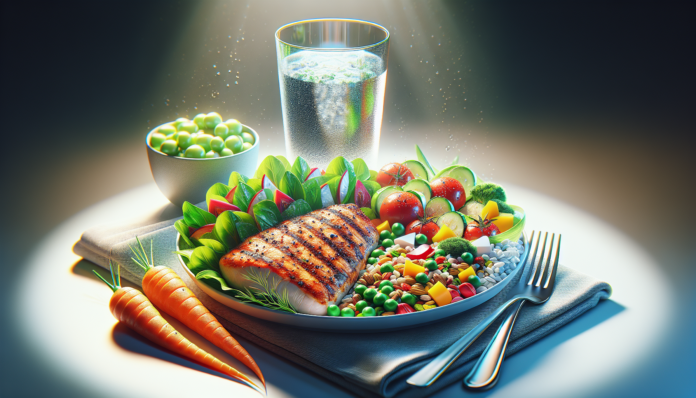
Why Hydration Cannot Be Separated from Diet
Staying hydrated is essential for overall health, and it is closely linked to diet. Many people overlook the importance of drinking enough water while focusing solely on the foods they eat. Yet, hydration and diet work together to support bodily functions, energy levels, and overall well-being. This article explores how hydration and diet interconnect, the benefits of proper hydration, and tips to ensure you’re getting enough fluids in your daily meals.
The Connection Between Hydration and Diet
Proper hydration is integral to a balanced diet. Water is not only essential for survival but also plays a crucial role in digestion, nutrient absorption, and metabolic processes. The foods we consume can impact our hydration status, while hydration affects our ability to extract and utilize nutrients effectively.
Foods and Their Water Content
Many foods we consume provide hydration. Fruits and vegetables, for example, are often high in water content. Incorporating these foods into your diet can significantly enhance your overall hydration levels. Here are some hydrating foods:
- Watermelon: About 92% water
- Cucumber: Approximately 95% water
- Strawberries: Roughly 91% water
- Lettuce: Around 96% water
By including these items in your meals and snacks, you not only nourish your body but also help maintain optimal hydration.
Importance of Hydration in Nutrition
Hydration is vital for various metabolic processes. When you are dehydrated, your body struggles to break down food properly and absorb nutrients. This can lead to a lack of energy and poor health outcomes. Staying hydrated provides numerous benefits:
- Enhanced Digestion: Water aids in breaking down food, allowing for better nutrient absorption in the intestines.
- Improved Nutrient Transport: Hydration helps transport vitamins and minerals throughout the body.
- Regulated Body Temperature: Proper hydration helps regulate body temperature through sweat and respiration.
Therefore, ensuring you drink enough fluids complements your food intake and supports necessary bodily functions.
The Role of Electrolytes
Electrolytes, including sodium, potassium, and magnesium, are crucial for maintaining hydration. These minerals help balance fluids in and out of your cells. They are also vital for muscle function and nerve signaling. Certain foods can help replenish these electrolytes, particularly when combined with adequate hydration:
- Bananas: High in potassium
- Spinach: Rich in magnesium
- Pickle Juice: Contains sodium and electrolytes
Including these foods in your diet while drinking enough fluids ensures you maintain proper hydration levels and balance electrolytes.
Signs of Dehydration
Recognizing the signs of dehydration is crucial for preventing negative health impacts. Common symptoms include:
- Thirst: The most obvious sign; listen to your body!
- Dark Urine: A strong indicator; ideally, urine should be light yellow.
- Fatigue: Feeling unusually tired can signal low hydration.
- Dry Skin: Skin may lose elasticity when dehydrated.
If you experience any of these symptoms, consider increasing your fluid intake alongside your meals.
Tips for Staying Hydrated with Your Diet
Incorporating hydration into your diet doesn’t have to be challenging. Here are some practical tips:
- Start Your Day with Water: Drinking a glass of water first thing in the morning can jumpstart hydration.
- Make Hydrating Smoothies: Blend fruits like berries and greens with a splash of water or coconut water for a nutritious beverage.
- Opt for Soups and Broths: Including soups in your meals can enhance hydration while offering nutritional benefits.
- Snack on Hydrating Fruits: Keep fruits like oranges and grapes handy for a refreshing snack.
Implementing these strategies can help you stay hydrated throughout the day, supporting your overall dietary goals.
Conclusion
Hydration cannot be separated from diet; both are essential for maintaining health and well-being. By understanding the connection between hydration and what you eat, you can make informed choices to support your body. Prioritize drinking enough fluids and selecting hydrating foods to enhance your diet and overall health. By working together, hydration and nutrition provide a solid foundation for a healthy lifestyle. Make hydration a key component of your daily routine, and watch as it positively impacts your overall wellness.