
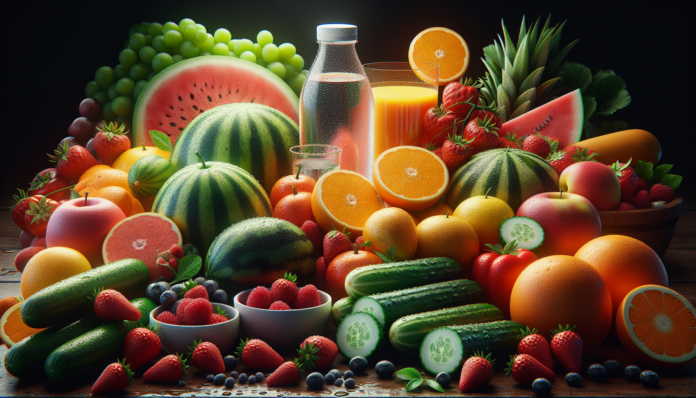
How Food Delivers Hydration Along with Minerals and Nutrients
Hydration is essential for our body’s health, affecting everything from energy levels to skin appearance. While most of us think of water as the primary source of hydration, food plays a significant role too. This article explores how food can effectively deliver hydration, minerals, and essential nutrients, making it a vital aspect of our diet.
Understanding Hydration and Its Importance
Before diving into how food contributes to hydration, it’s essential to understand the role of hydration in the body. Our bodies are composed of around 60% water, and staying hydrated is crucial for:
- Regulating body temperature
- Maintaining joint health
- Supporting digestion
- Enhancing cognitive function
Failing to hydrate properly can lead to dehydration, which may cause fatigue, headaches, and confusion.
How Foods Contribute to Hydration
Many foods contain water and help maintain our body’s hydration levels. Water-rich foods provide an additional source of hydration aside from traditional fluids. Here are some excellent options to consider:
Fruits: Nature’s Hydration Powerhouses
Fruits are rich in water content and nutrients. Some top choices include:
- Watermelon: Composed of about 92% water, it’s not only hydrating but also packed with vitamins A and C.
- Strawberries: These juicy berries consist of around 91% water and offer antioxidants and fiber.
- Cucumbers: Technically a fruit, cucumbers are about 95% water, low in calories, and high in vitamins K and C.
These fruits do more than keep you hydrated; they also provide essential vitamins and minerals that support overall health.
Vegetables: Nutrient-Dense Hydration Sources
Vegetables are another excellent source of hydration. Here are some examples that can boost your fluid intake:
- Lettuce: Contains approximately 96% water and is a great base for salads.
- Celery: With about 95% water, celery is crisp, refreshing, and low in calories.
- Spinach: Although it’s not as high in water content (about 91%), spinach is packed with iron, magnesium, and vitamins A and C.
By incorporating these vegetables into your meals, you can enhance hydration while gaining essential nutrients.
Soups and Broths: Warm Hydration Solutions
Soups and broths are not just comfort foods; they are excellent ways to stay hydrated. Broths are mainly liquid but often loaded with minerals from the ingredients used. Opt for:
- Chicken Broth: Rich in hydration and minerals, chicken broth can also be soothing when you feel unwell.
- Vegetable Soup: A good mix of vegetables can create a nutrient-dense broth that keeps you hydrated.
Experimenting with various soups can provide you with hydration, along with a wealth of vitamins and minerals.
Combining Hydration with Nutrients
It’s crucial to remember that hydration is not just about water. When you consume hydrating foods, you also take in essential nutrients, turning every meal into an opportunity for health benefits. Here’s how:
Electrolytes: The Unsung Heroes of Hydration
Electrolytes such as potassium, sodium, and magnesium are vital for maintaining fluid balance in the body. Foods rich in electrolytes include:
- Bananas: High in potassium, helpful in maintaining hydration and muscle function.
- Avocados: Packed with potassium and healthy fats, they help in cell function.
- Coconut Water: A natural source of electrolytes with potassium, sodium, and magnesium.
Incorporating these foods into your diet ensures you not only stay hydrated but also replenish electrolytes lost during physical activities.
Protein and Hydration
While not directly linked to hydration, protein can impact water retention. Foods like yogurt and beans provide hydration benefits while being rich in protein. For instance:
- Greek Yogurt: Contains about 80% water and is a good source of protein and probiotics.
- Chickpeas: These legumes contain substantial water and are high in protein and fiber.
Balancing protein intake with hydrating foods can lead to better hydration overall.
Making Hydration a Habit
To ensure you’re getting enough hydration from food, consider these tips:
- Include Hydrating Foods in Every Meal: Aim to fill half your plate with fruits and vegetables.
- Choose Snacks Wisely: Opt for fruits or veggie sticks over chips or cookies to boost hydration.
- Drink Water Intelligently: While food contributes significantly to hydration, don’t neglect to drink water throughout the day.
Conclusion
Incorporating hydrating foods into your diet is a simple, effective way to stay healthy and maintain hydration. By understanding how food delivers hydration along with essential minerals and nutrients, you can make better choices for your health. Focus on a diverse diet that includes fruits, vegetables, soups, and proteins, and enjoy the numerous health benefits that come with remaining well-hydrated. Remember, every meal is an opportunity to nourish your body and stay hydrated!