
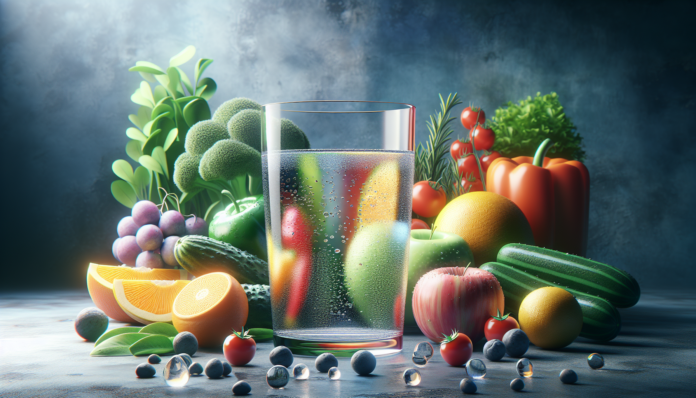
Why Drinking Water Alone May Not Hydrate the Body Fully
Staying hydrated is essential for overall health, but many people believe that simply drinking water is enough to keep their bodies fully hydrated. This article explores why drinking water alone may not be sufficient for complete hydration, highlighting the nuances of fluid balance, the role of electrolytes, and the importance of a balanced diet.
Understanding Hydration
Hydration is the process through which the body absorbs water to maintain its functions. While water is the most common fluid humans consume, it doesn’t automatically translate to optimal hydration. Several factors influence how well the body can utilize the water we drink.
The Role of Electrolytes
Electrolytes are minerals that help regulate various bodily functions, including maintaining fluid balance. Key electrolytes include:
- Sodium
- Potassium
- Magnesium
- Calcium
When you drink water, it needs these electrolytes to be effectively absorbed by your cells. Without adequate levels of electrolytes, the water you consume may not enter your cells effectively, leading to potential dehydration.
Symptoms of Poor Hydration
Relying solely on water can lead to signs of inadequate hydration, including:
- Fatigue
- Dry skin
- Dizziness
- Headaches
If these symptoms persist, it may be a sign that your hydration strategy needs adjustment.
Benefits of Balanced Hydration
To achieve optimal hydration, it’s important to consider both water intake and electrolyte balance. Here are some strategies to enhance your hydration efforts:
Include Hydrating Foods
Many everyday foods contain high water content and can contribute to hydration. Consider adding these items to your diet:
- Cucumbers
- Watermelon
- Strawberries
- Spinach
These foods not only provide hydration but also deliver essential vitamins and minerals that support your body’s functions.
Incorporate Electrolyte-Rich Beverages
In addition to water, you can consume beverages rich in electrolytes, especially during intense physical activity. Options include:
- Coconut water
- Sports drinks
- Homemade electrolyte solutions
These drinks can help replace lost electrolytes and enhance hydration levels.
Lifestyle Factors Affecting Hydration
Several lifestyle factors impact how hydration is maintained in the body:
Physical Activity
When you exercise, your body loses water through sweating. This loss demands both fluid and electrolyte replenishment. Aim to drink water before, during, and after your workout, and consider a source of electrolytes post-exercise.
Climate and Environment
Hot or humid environments can accelerate fluid loss, making it crucial to adjust your water intake accordingly. Similarly, high-altitude locations can lead to increased urine output, further necessitating hydration efforts.
Health Conditions
Certain health issues, such as diabetes or kidney disorders, can affect hydration levels. It’s important to stay informed about how these conditions may alter your body’s hydration needs.
Monitoring Your Hydration
To ensure you remain optimally hydrated, consider the following tips:
- Check Urine Color: Light yellow indicates good hydration, while dark yellow may suggest the need for more fluids.
- Stay Consistent: Drink water throughout the day rather than large quantities at once.
- Listen to Your Body: Thirst signals are your body’s way of indicating dehydration, so respond promptly.
Conclusion
While drinking water is vital for hydration, it may not be entirely sufficient for optimal bodily function. A comprehensive approach that includes electrolytes, hydrating foods, and awareness of lifestyle factors is essential for maintaining proper hydration. By understanding the complexities of hydration, you can take proactive steps toward enhancing your overall health and wellness. Remember, hydration is not just about drinking water—it’s about nourishing your body comprehensively.