
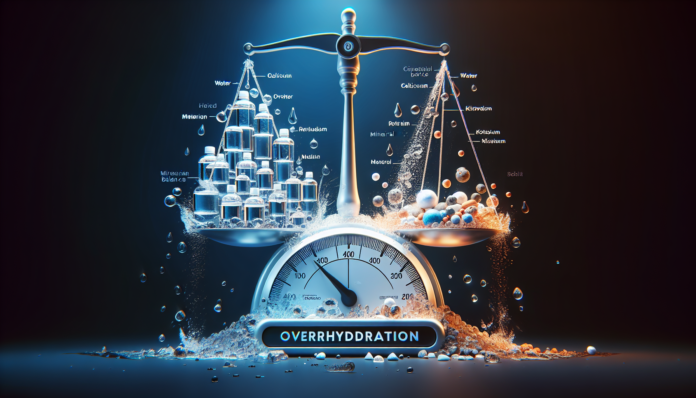
How Overhydration Can Disrupt Mineral Balance
Maintaining the right balance of water in our bodies is crucial for overall health. While hydration is essential, overhydration can lead to serious problems, particularly in disrupting mineral balance. This article explores how excessive water intake can affect the minerals vital for bodily functions, helping you understand the importance of moderation.
Understanding Overhydration
Overhydration, often referred to as water intoxication, occurs when you consume more water than your kidneys can excrete. This situation can dilute the sodium levels in your body, leading to hyponatremia and other mineral imbalances.
Signs of Overhydration
Recognizing the signs of overhydration is crucial. Common symptoms include:
- Headaches
- Nausea or vomiting
- Confusion or disorientation
- Muscle cramps
- Swelling
If these symptoms occur, it’s essential to reassess your water intake.
The Role of Minerals in the Body
Minerals play an essential role in various bodily functions. Key minerals include sodium, potassium, calcium, and magnesium. Each has unique functions that contribute to overall health:
- Sodium: Maintains fluid balance and proper muscle function.
- Potassium: Helps regulate heartbeat and nerve functions.
- Calcium: Important for bone health and muscle contractions.
- Magnesium: Aids in muscle and nerve function, blood glucose control, and blood pressure regulation.
How Overhydration Affects Mineral Balance
Dilution of Electrolytes
When you consume excessive water, it can dilute the essential electrolytes in your body. This dilution disrupts the balance, leading to various health issues. Key consequences of electrolyte imbalance include:
- Muscle weakness
- Irregular heartbeat
- High blood pressure
- Fatigue
Sodium Levels in Danger
Sodium is particularly sensitive to overhydration. With too much water, the sodium concentration can drop, leading to hyponatremia. This condition can cause cells to swell, which may result in serious health issues, such as brain swelling or seizures.
Impact on Other Minerals
Overhydration doesn’t just affect sodium. It can also influence potassium, calcium, and magnesium levels. Here’s how:
- Potassium: An imbalance can lead to cardiovascular problems and muscle weakness.
- Calcium: Low levels can result in osteoporosis or weakened bones over time.
- Magnesium: Low magnesium can impact energy production and lead to muscle cramps.
Risk Factors for Overhydration
Understanding who is at risk for overhydration can help prevent mineral imbalances. Several factors can contribute, including:
- Endurance athletes: Often consume excessive water during intense workouts.
- Certain medications: Some medications can affect kidney function, making overhydration more likely.
- Medical conditions: Kidney disorders or conditions that affect fluid balance increase risk.
Prevention Strategies
Taking steps to prevent overhydration is vital for maintaining mineral balance. Consider these strategies:
- Listen to your body: Drink when thirsty, but avoid excessive consumption.
- Monitor hydration levels: Use tools, such as urine color, to gauge hydration status. Light yellow indicates good hydration.
- Balance your diet: Ensure a mineral-rich diet that supports electrolyte balance.
Conclusion
Overhydration is often overlooked but can significantly disrupt mineral balance, leading to various health complications. By understanding the signs of overhydration and taking proactive steps, you can maintain optimal hydration without compromising your health. Remember, moderation is key. Ensure you’re not just drinking enough water but also balancing your electrolyte intake to support your body’s needs. Staying informed and mindful of your hydration habits can lead to a healthier, more balanced life.