
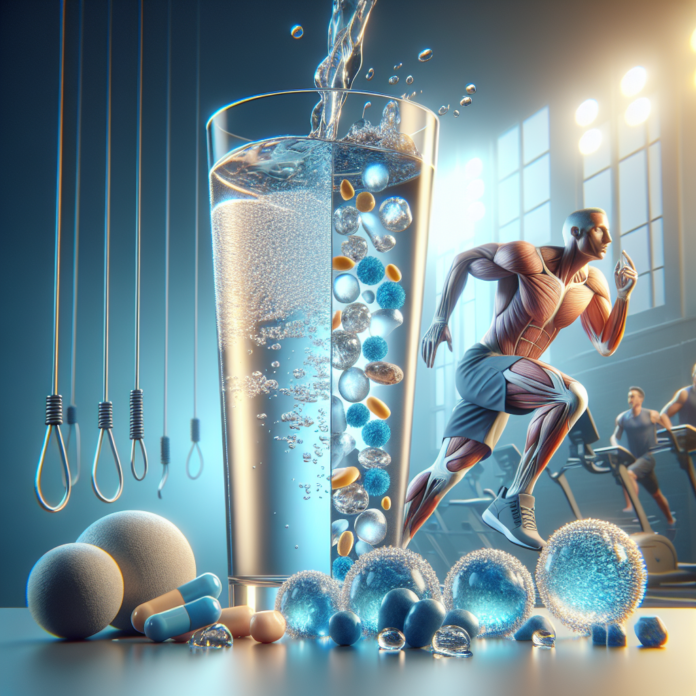
Why Electrolytes Matter More Than Water Alone
Hydration is essential for maintaining good health. While water is the most obvious solution to quench thirst, electrolytes play an equally crucial role. Understanding why electrolytes matter more than water alone can empower you to make better hydration choices, especially during physical activities or in hot weather.
What Are Electrolytes?
Electrolytes are minerals in your body that have an electric charge. They help regulate nerve and muscle function, hydration, blood pH, and other bodily processes. The most common electrolytes include:
- Sodium
- Potassium
- Calcium
- Magnesium
- Chloride
Electrolytes are mostly obtained through food and beverages, but their importance goes beyond just traditional hydration.
The Role of Electrolytes in Hydration
Balancing Fluids
Electrolytes are vital for maintaining fluid balance. They work to retain water in your cells and tissues, ensuring you stay hydrated. Without the right balance of electrolytes, your body may struggle to absorb water, leading to dehydration.
Muscle Function
Electrolytes like sodium and potassium are essential for muscle contractions. When you sweat, you lose both water and electrolytes. If these aren’t replaced, it can lead to muscle cramps, fatigue, or even more severe health issues.
Nerve Function
Electrolytes also play a significant role in transmitting signals between nerves and muscles. This process is vital for everything from moving your fingers to your heart beating. An imbalance can lead to confusion, mood changes, or even seizures.
Why Water Alone Isn’t Enough
Limited Nutrient Delivery
Drinking only water may not fully replenish the essential minerals lost through sweat or intense physical activity. While water hydrates, it does not replace lost electrolytes, which can lead to deficiencies over time.
Electrolyte Imbalance
Relying solely on water can create an imbalance in your body’s electrolyte levels. Too much water can dilute these crucial minerals, leading to a condition known as hyponatremia, where sodium levels fall dangerously low.
Signs of Electrolyte Imbalance
Recognizing the signs of an electrolyte imbalance is crucial for your health. Some common symptoms include:
- Muscle cramps or spasms
- Fatigue or weakness
- Irregular heartbeat
- Nausea or vomiting
- Confusion or irritability
If you experience any of these symptoms, it may be time to look beyond water.
How to Maintain Electrolyte Balance
Eat Electrolyte-Rich Foods
Incorporating foods rich in electrolytes into your diet can help maintain balance. Some great options include:
- Bananas (potassium)
- Spinach (magnesium)
- Salted nuts (sodium)
- Dairy products (calcium)
Stay Hydrated with Electrolyte Drinks
Opt for sports drinks or electrolyte-infused beverages. These can help replenish lost minerals, especially during or post-exercise. Look for drinks without excessive sugars or artificial ingredients.
Monitor Your Activity Levels
Pay attention to your body’s needs, especially during physical activities or in hotter climates. Remember that the more you sweat, the more electrolytes you lose. Adjust your hydration methods accordingly.
The Bottom Line
Electrolytes matter more than water alone. They are integral to hydration, muscle function, and overall health. While drinking water is essential, ensuring you consume enough electrolytes is equally important.
Incorporate electrolyte-rich foods and beverages into your routine to stay healthy and energized. Staying aware of your body’s signals and needs can help you maintain optimal hydration. Remember, balance is key to a healthier you.
Make the choice to prioritize electrolytes in your hydration strategy and enjoy improved health and performance.