
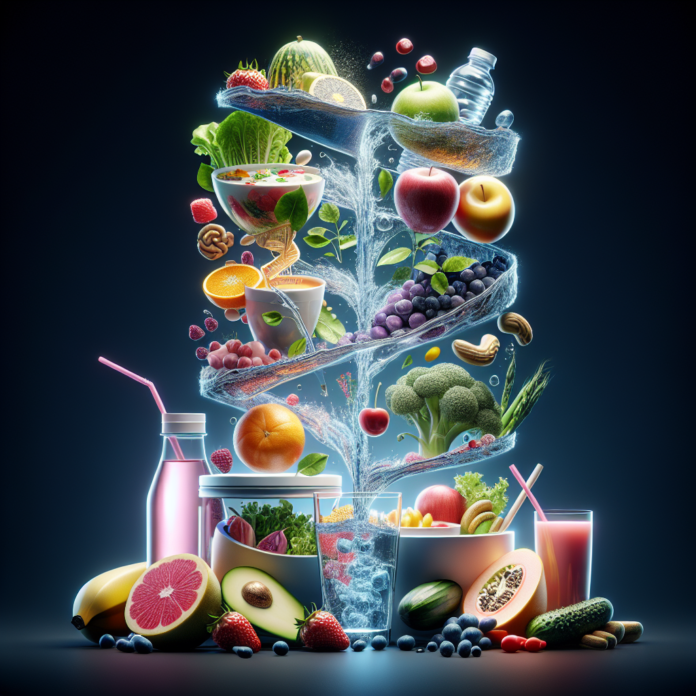
How Food Functions as a Primary Source of Hydration in the Body
When we think about hydration, water is often the first thing that comes to mind. However, food plays an equally important role in keeping our bodies hydrated. Many foods contain significant amounts of water, helping maintain our overall hydration levels. This article explores how food contributes to hydration, the types of foods that are best for this purpose, and some tips for incorporating them into your diet.
Understanding the Importance of Hydration
Staying hydrated is crucial for our health. Water helps regulate body temperature, transport nutrients, and remove waste. While drinking liquids is essential, food is a substantial source of hydration that should not be overlooked.
Most fruits and vegetables have high water content, making them excellent choices for hydration. Incorporating these foods into your meals can significantly impact your hydration status and overall well-being.
Foods That Hydrate
Fruits
Fruits are often the juiciest sources of hydration. Here are a few top picks:
- Watermelon: About 92% water, making it extremely hydrating.
- Strawberries: Contain about 91% water and are rich in vitamins.
- Cantaloupe: Approximately 89% water, sweet, and low in calories.
- Oranges: Around 86% water, providing a good dose of vitamin C.
Vegetables
Vegetables are not only nutritious but also contribute to our hydration needs. Consider adding these to your meals:
- Cucumbers: Composed of about 95% water, they are perfect for salads and snacks.
- Lettuce: The water content can be as high as 96%, making it an ideal salad base.
- Zucchini: Roughly 95% water and versatile for cooking.
- Tomatoes: Contain about 95% water and can be used in various dishes.
Other Hydrating Foods
Beyond fruits and vegetables, some other foods can help with hydration:
- Soups: Broth-based soups can be rich in water and nutrients.
- Smoothies: Combining fruits, vegetables, and liquids can create a refreshing, hydrating drink.
- Yogurt: Contains water and beneficial probiotics, offering hydration along with gut health benefits.
The Role of Electrolytes
Hydration is not just about water; electrolytes are essential too. Sodium, potassium, and magnesium help maintain the balance of fluids in the body. Foods that provide these minerals can enhance hydration:
- Bananas: Great source of potassium.
- Spinach: Rich in magnesium and highly hydrating due to its water content.
- Coconut Water: A natural source of electrolytes, especially potassium.
Tips for Improving Hydration Through Food
To make the most of food as a hydration source, consider the following tips:
- Start Your Day with Soup: Begin your day with a broth-based soup or a smoothie. This can kickstart your hydration.
- Snack on Fruits and Veggies: Replace chips and cookies with hydrating snacks like cucumbers, berries, or oranges.
- Include Salads in Your Meals: Add a side salad to your lunch or dinner for an extra boost of hydration.
- Experiment with Smoothies: Try different combinations of fruits and vegetables to make your drinks nutrient-dense and hydrating.
Conclusion
Incorporating hydrating foods into your diet is an effective way to maintain optimal hydration levels. Fruits, vegetables, and certain other foods provide water and essential nutrients, supporting various bodily functions. By choosing the right combination of foods and making hydration a priority, you can positively impact your overall health and well-being. Start adding these hydrating foods to your meals today and enjoy the benefits they bring!